Wine Bars and New Generations: Why Interest in Wine’s History Is Blossoming

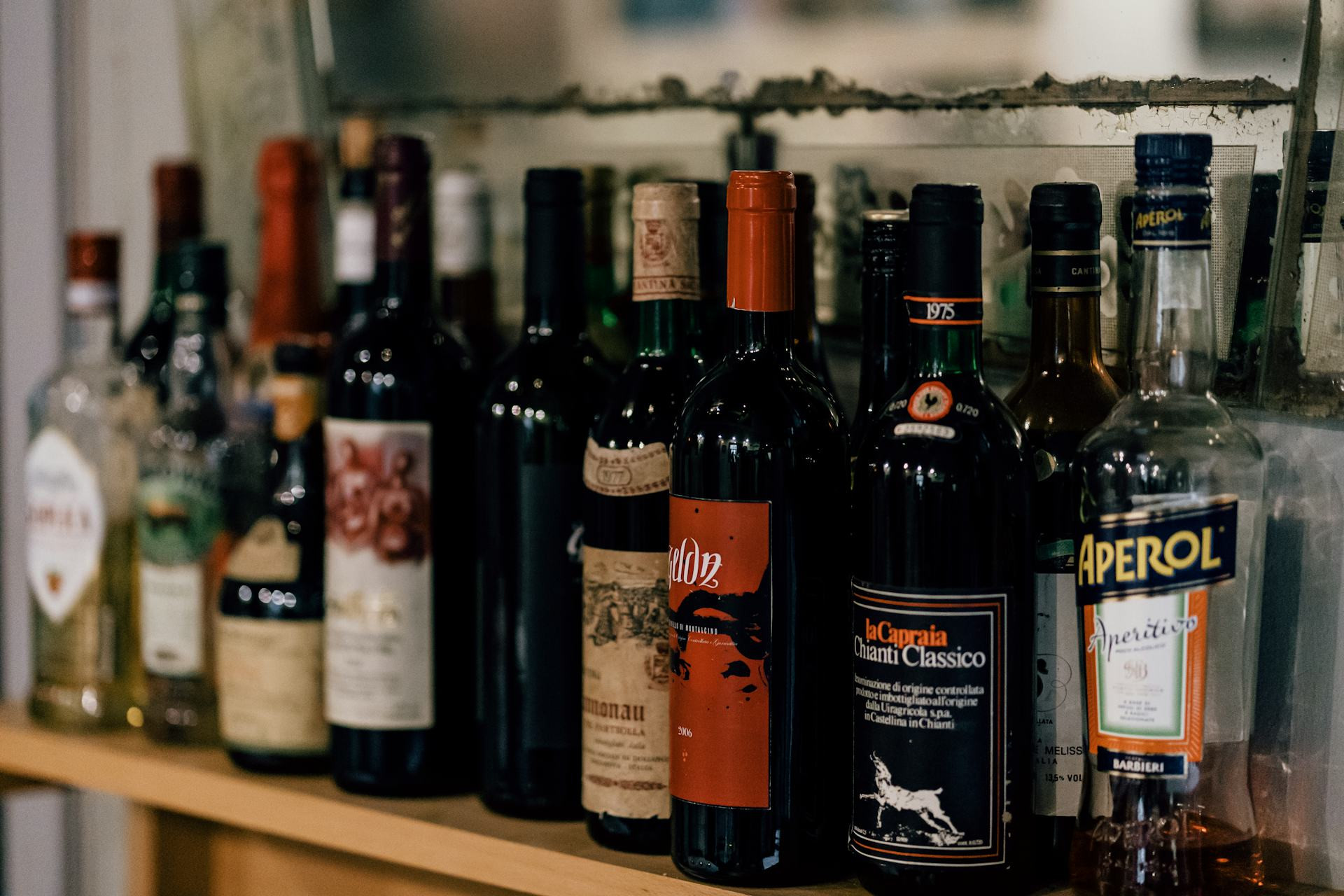
Wine Bars and New Generations: Why Interest in Wine’s History Is Blossoming
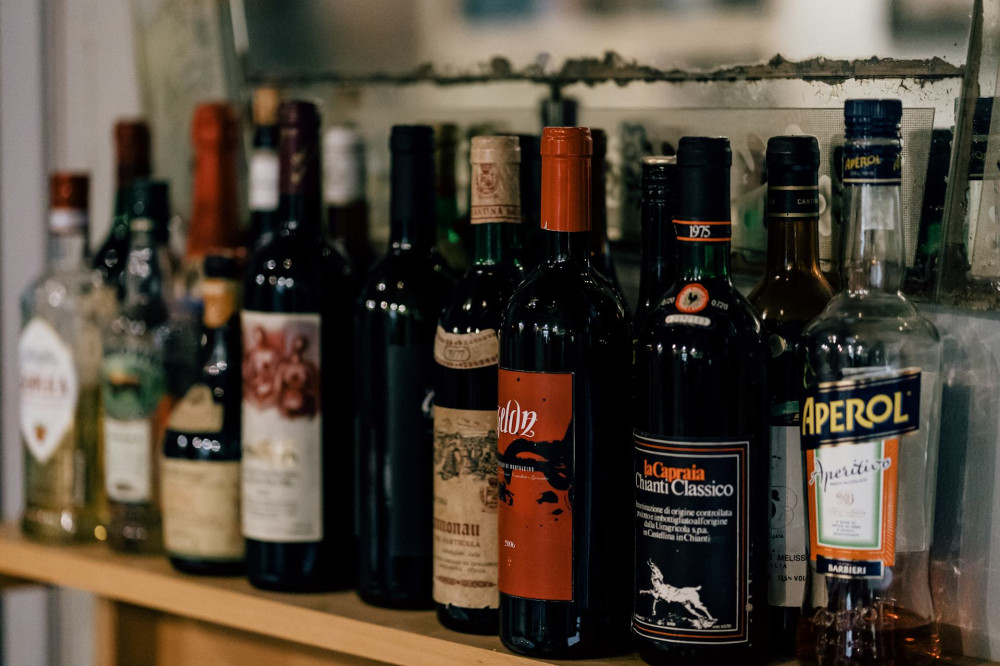
Across American cities, wine bars are thriving like never before. From cozy neighborhood spots pouring natural wines from Oregon to sleek lounges offering flights of Napa Cabernet, wine has become part of the social fabric. But it’s not just about what’s in the glass. A new generation of wine drinkers is seeking stories, authenticity, and a deeper understanding of where their wine comes from. Why is interest in wine’s history suddenly blossoming?
From Beverage to Story
For decades, wine in the U.S. carried an air of exclusivity—something reserved for connoisseurs who could debate vintages and appellations. Today, that image is shifting. Many modern wine bars focus on making wine approachable, turning each pour into a story rather than a status symbol.
When a bartender explains how a small family in Mendocino County revived century-old vines, or how a Georgian winemaker ferments grapes in ancient clay vessels, the experience becomes more than a tasting—it’s a journey through time and culture. This connection between craftsmanship, tradition, and modern life is what captivates so many young wine enthusiasts.
Wine Bars as Modern Classrooms
Wine bars have become informal classrooms for curious drinkers. Guests can sample, ask questions, and explore new styles without intimidation. Many venues host tastings that trace a wine’s path from vineyard to glass, often highlighting sustainability, heritage, and the people behind the bottle.
This approach resonates with a generation that values experiences and authenticity over prestige. Knowing the story behind a wine adds meaning—it transforms a simple drink into a way of understanding the world through flavor.
The Natural Wine Movement
One of the strongest forces behind this renewed curiosity is the rise of natural wine. These wines, made with minimal intervention and often using traditional methods, have opened the door to a more transparent and less formal wine culture.
For many young Americans, natural wine represents more than a trend—it’s part of a broader movement toward sustainability and honesty in what we consume. When someone sips a cloudy, lightly sparkling wine from a small producer in Slovenia or a biodynamic vineyard in California, they’re tasting not just grapes, but a living tradition that stretches back generations.
History as a Common Thread
Wine’s story is inseparable from human history. From the first cultivated vines in the ancient Near East to the monastic vineyards of medieval Europe and the pioneering winemakers of California, wine has always mirrored cultural evolution. Today’s wine bars are finding creative ways to bring that history to life.
Some pair tastings with art, music, or storytelling that reflects a wine’s origin. Others invite winemakers to share their craft firsthand. In these spaces, the past and present meet—history isn’t just told, it’s tasted.
A New Kind of Wine Lover
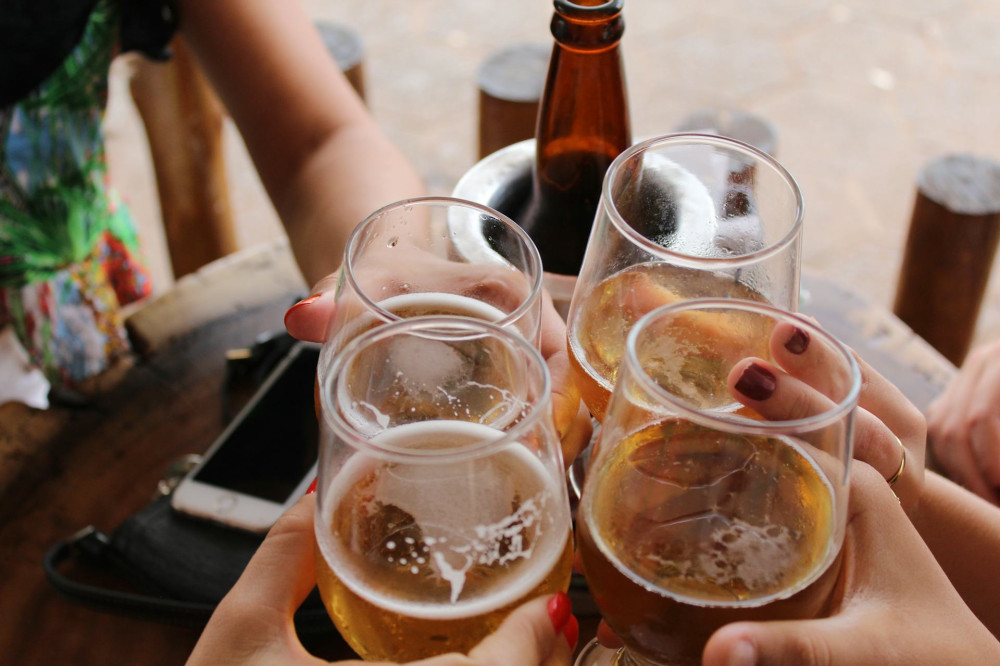
The modern wine lover isn’t necessarily a collector or critic. They’re often explorers—people who seek connection, community, and understanding. The history of wine becomes a shared language, linking people across generations and continents.
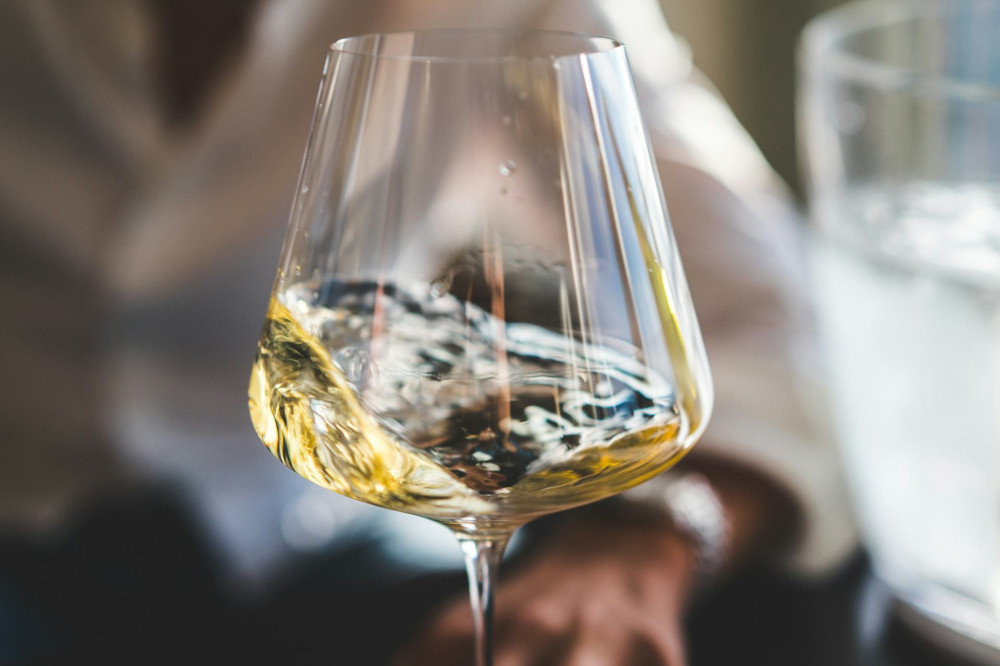
To care about wine’s history is to care about how culture, climate, and human creativity have shaped something both simple and profound: a glass of wine.
Læs også:
The Future Rooted in the Past
The flourishing of wine bars across the U.S. is more than a culinary trend—it’s a cultural shift. In a fast-changing world, wine’s long history offers a sense of continuity and belonging.
Perhaps that’s why interest in wine’s past is blooming now: it reminds us that taste is not only about the senses, but also about stories, traditions, and the enduring human desire to connect.
Læs også: