Plan your weekly meals and eat more plant-based – effortlessly

Plan your weekly meals and eat more plant-based – effortlessly
Eating more plant-based doesn’t have to be time-consuming or complicated. With a bit of planning, you can easily fill your week with vegetables, legumes, and whole grains—without sacrificing flavor or variety. Here’s how to plan your weekly meals so you can save time, reduce food waste, and enjoy a greener way of eating.
Why planning makes a difference
When you plan your meals, you gain a clear overview of what you’ll eat and what you need to buy. That means fewer impulse purchases, less stress during the week, and less food ending up in the trash. It also helps you maintain a healthy balance of vegetables, proteins, and carbohydrates.
A plant-based diet doesn’t have to mean going vegetarian or vegan overnight. It’s about letting plants take center stage on your plate and letting meat play a smaller—or no—role in more of your meals.
Start with a simple plan
A great way to begin is by creating a weekly meal plan. It doesn’t have to be detailed, but it should give you a sense of what you’ll eat over the next five to seven days.
- Pick 2–3 go-to meals your household already loves—maybe a pasta dish, a hearty soup, or a stir-fry.
- Add 1–2 new recipes to try something different, like lentil chili, chickpea tacos, or roasted veggie bowls.
- Plan for leftovers—cook larger portions so you can use extras for lunch or a quick dinner later in the week.
- Think in themes—try “Meatless Monday,” “Soup Wednesday,” or “Taco Friday.” It makes planning easier and more fun.
Once your plan is set, make a shopping list and do most of your grocery run at once. You’ll save both time and money.
Stock up on pantry essentials
A well-stocked pantry makes plant-based cooking much easier. Keep these staples on hand:
- Canned or dried beans and lentils—black beans, chickpeas, and lentils are versatile and protein-rich.
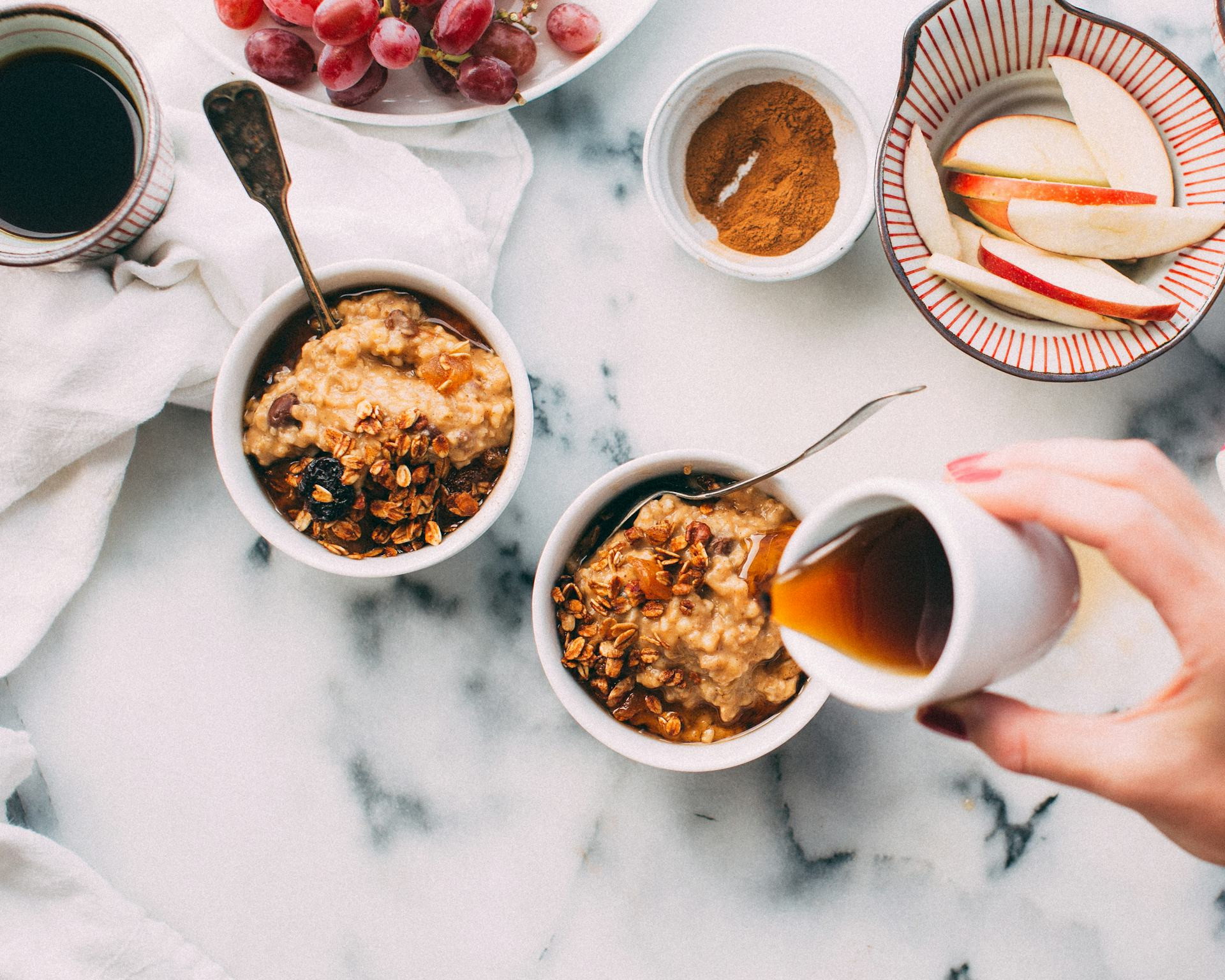
- Whole grains like brown rice, quinoa, whole-wheat pasta, and oats.
- Nuts and seeds for toppings, snacks, and extra protein.
- Flavor boosters such as olive oil, soy sauce, tahini, curry powder, smoked paprika, and lemon juice.
- Frozen vegetables—they’re just as nutritious as fresh and perfect for quick meals.
With these basics, you can whip up a nourishing dish even on your busiest days.
Let vegetables lead the way
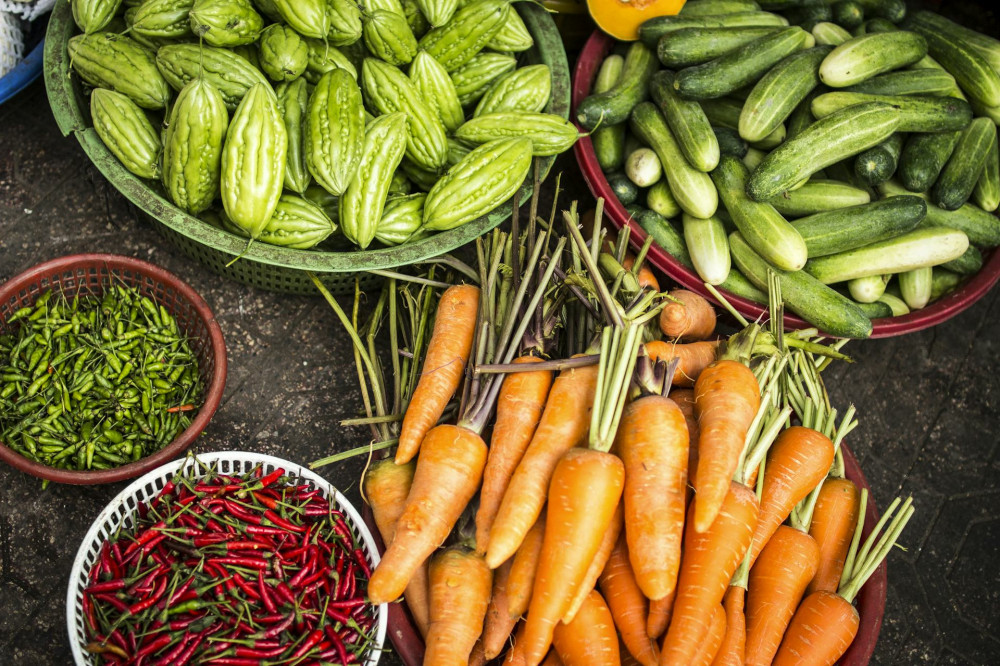
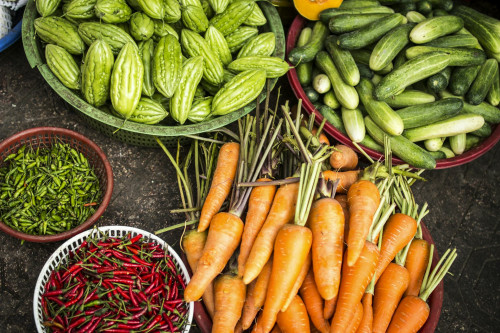
When planning meals, start with the vegetables instead of the protein. Think about what’s in season—it tastes better, costs less, and supports local growers.
In fall, try a creamy butternut squash soup; in spring, a fresh asparagus salad; and in summer, grilled zucchini and bell peppers. By making vegetables the star of your meals, you’ll naturally eat more plants and enjoy greater variety.
Cook once, eat twice (or more)
One of the biggest benefits of planning is being able to cook in batches. Spend a bit of time on Sunday prepping for the week—cook a pot of lentils, chop vegetables, or make a big batch of veggie chili or hummus.
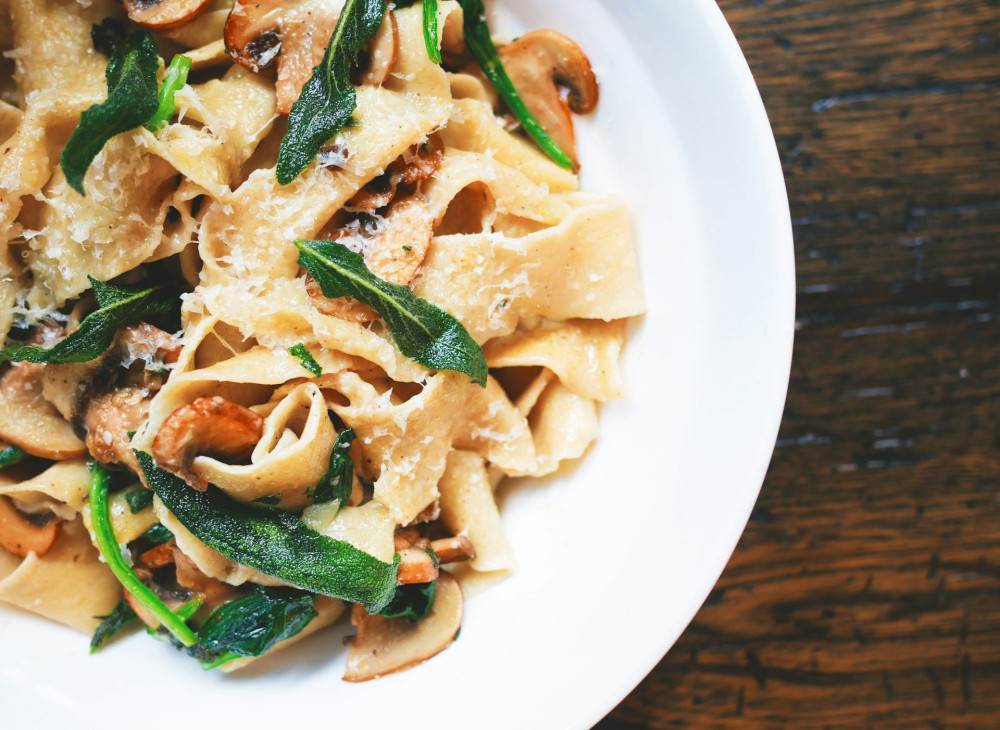
With these components ready, you can quickly assemble meals during the week—like wraps with beans and veggies, quinoa salads, or pasta with a vegetable-based sauce.
Make it a habit, not a chore
Eating more plant-based should feel natural, not like a strict rule. Start small and build from there. Maybe begin with one meat-free day a week and see how it goes—you might find you don’t miss meat as much as you thought.
Get the whole family involved in planning. Let kids pick a meal each week or help choose new recipes to try. It makes the process more enjoyable and helps everyone feel included.
Læs også:

Small steps, big impact
Even small changes in your eating habits can make a big difference—for your health, your wallet, and the planet. By planning your weekly meals and letting vegetables take the lead, you’ll enjoy a more balanced, sustainable, and stress-free routine.
It’s not about perfection—it’s about finding a rhythm that works for you. With a little structure and curiosity, you can eat more plant-based—effortlessly.
Læs også: