Eat with the Seasons – Health and Flavor in Natural Harmony

Eat with the Seasons – Health and Flavor in Natural Harmony
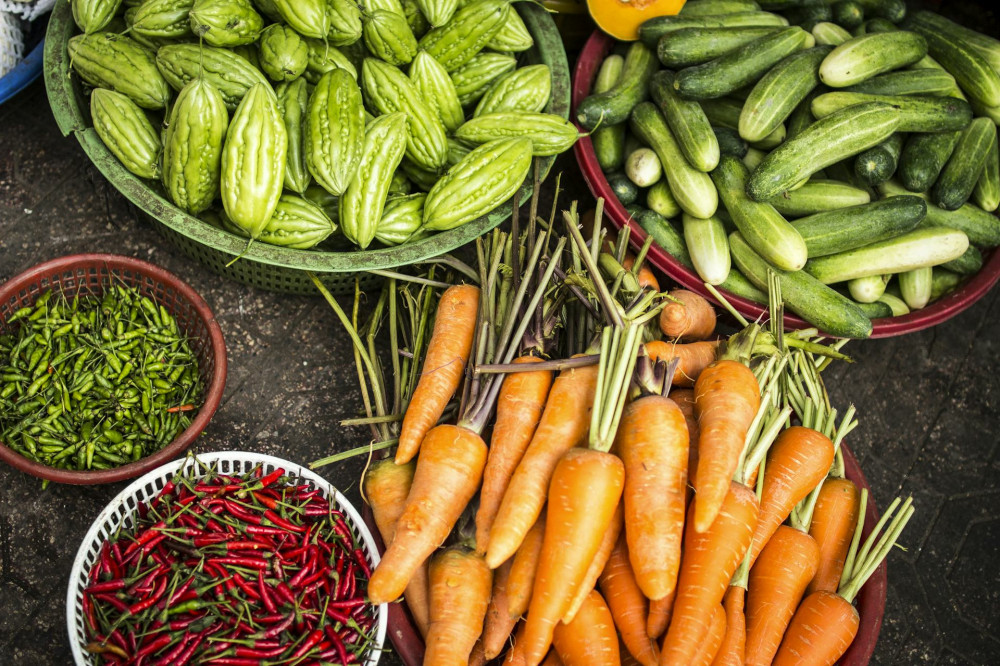
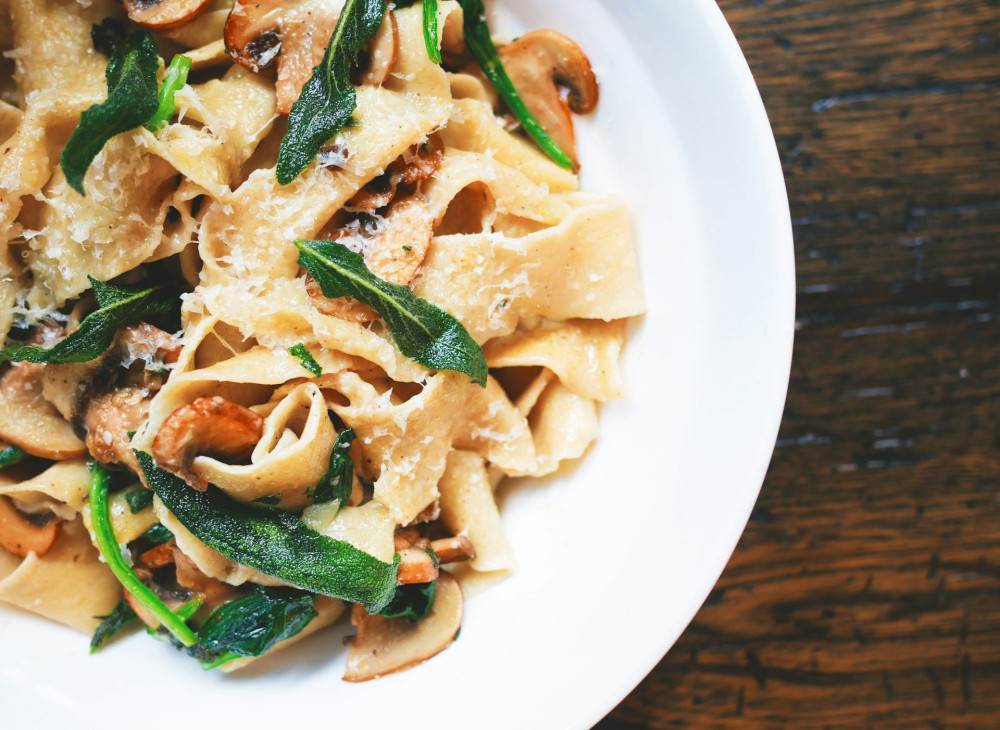
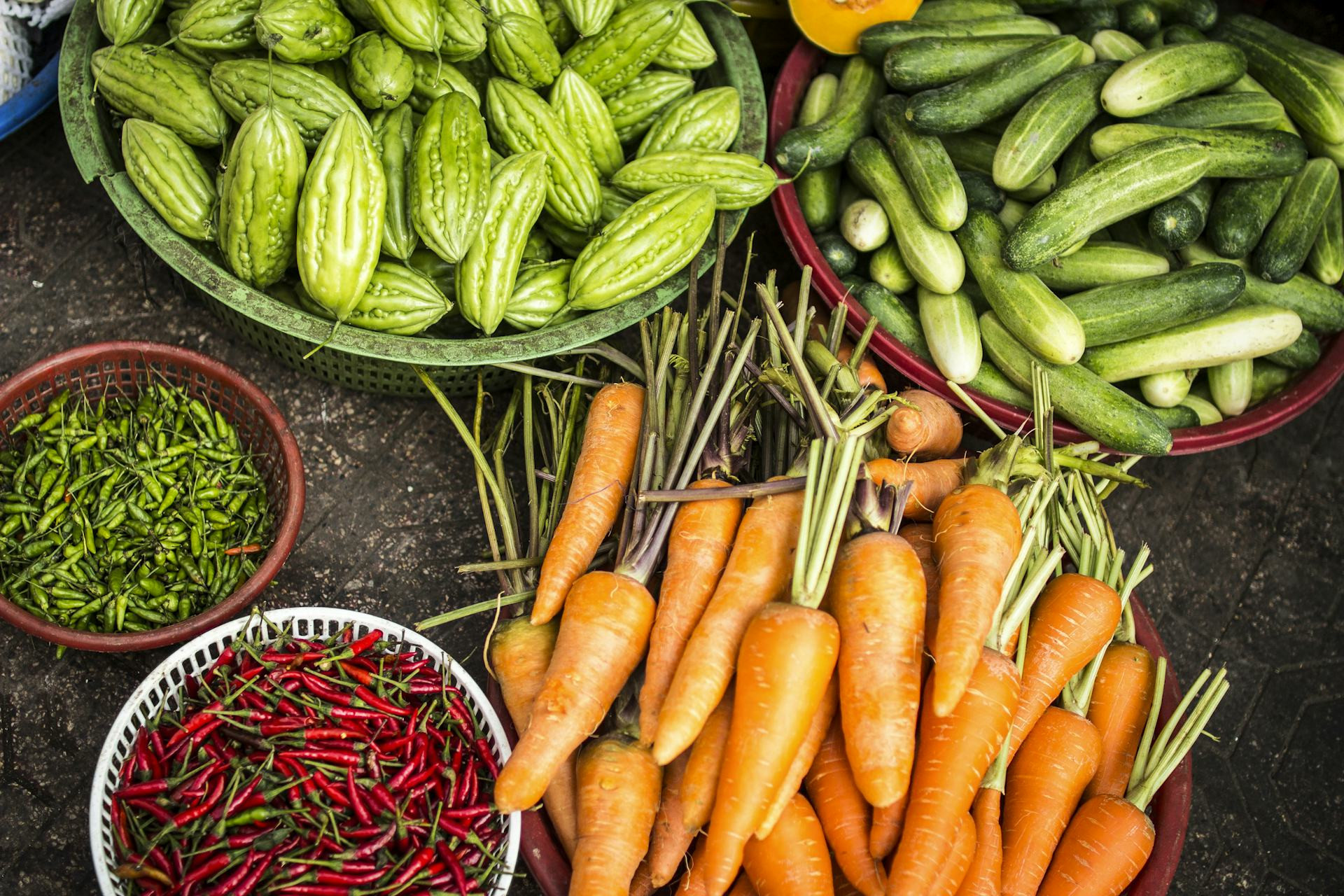
Eating with the seasons is about more than just following nature’s rhythm – it’s a way to bring freshness, variety, and sustainability into everyday life. When we choose ingredients that are in season, we enjoy better flavor, higher nutritional value, and a more eco-friendly kitchen. Here’s how you can let the seasons guide your meals – from spring’s tender greens to winter’s comforting dishes.
Spring – Freshness and Renewal
After the long winter, our bodies crave light and vibrant flavors. Spring brings the first tender vegetables that awaken the senses. Asparagus, peas, spinach, and strawberries are among the season’s stars, perfect for everything from salads to simple pasta dishes.
Try a warm salad with roasted asparagus, baby potatoes, and a lemon-herb dressing. Or make a quick strawberry compote to enjoy with yogurt or pancakes. Spring produce is rich in vitamins and minerals that help restore energy and vitality after the colder months.
Summer – Color, Abundance, and Sunshine
Summer is the season of abundance. Farmers’ markets overflow with tomatoes, corn, cucumbers, berries, and fresh herbs. It’s the perfect time to let ingredients shine with minimal preparation. The warm weather calls for light meals, grilled dishes, and refreshing sides.
Make a colorful salad with ripe tomatoes, basil, and fresh mozzarella, or grill zucchini, peppers, and corn with a drizzle of olive oil and sea salt. Summer cooking is all about celebrating nature’s generosity – simple, bright, and full of flavor.
Læs også:



Fall – Warmth and Depth
As the days grow shorter and the air turns crisp, our appetites shift toward heartier meals and deeper flavors. Fall is the season for squash, sweet potatoes, mushrooms, apples, and kale – ingredients that lend themselves beautifully to soups, stews, and baked dishes.
A creamy butternut squash soup with ginger and coconut milk can warm you on a chilly evening, while roasted root vegetables with thyme and maple syrup bring both sweetness and comfort. Apples and pears are versatile too – toss them into a salad with walnuts and blue cheese, or bake a rustic apple crisp for dessert.
Winter – Comfort and Nourishment
Winter invites us to slow down and find comfort in nourishing foods. Nature rests, and so do our eating habits. This is the time for hearty ingredients like cabbage, potatoes, onions, beans, and citrus fruits. They provide the sustenance we need to stay strong through the cold months.
Try a lentil stew with carrots and spices, or a kale salad with orange segments and toasted almonds. Winter cooking is about creating warmth and well-being – often inspired by traditional dishes that bring a sense of home and togetherness.
Health and Sustainability in Balance
Eating seasonally isn’t just good for your body – it’s good for the planet. Choosing local, in-season produce reduces the need for long-distance transport and energy-intensive greenhouse production. It also supports local farmers and gives you fresher, more flavorful food.
A helpful tip is to plan your meals around what’s available right now. Many grocery stores and farmers’ markets highlight seasonal produce, and you can find regional guides online. Over time, you’ll start to recognize the rhythm of the seasons – and discover how rewarding it is to follow it.
A Natural Rhythm for Everyday Life
When you eat with the seasons, cooking becomes a way to connect with nature. You notice the year’s changes, look forward to the first sweet corn or juicy peaches, and find comfort in winter’s slow-cooked meals. It brings variety, mindfulness, and a deeper appreciation for the food that sustains us.
Eating in tune with nature isn’t a passing trend – it’s a return to something essential. A way to find health and flavor in natural harmony.
Læs også: