Exploring the World of Cider – Discover Local Traditions and Find New Favorites

Exploring the World of Cider – Discover Local Traditions and Find New Favorites
Cider has been enjoying a well-deserved revival in recent years. Once seen as a simple, sweet alternative to beer, it’s now recognized as a craft beverage that celebrates local fruit, regional character, and artisanal skill. But cider is more than just a sparkling apple drink—it’s a story of landscapes, traditions, and people who turn fruit into culture in a bottle. Let’s take a journey through the world of cider and discover how you can find your own favorites.
What Exactly Is Cider?
At its core, cider is made by fermenting apple juice—sometimes pear juice, which is then called perry. But behind that simple definition lies a world of variety. The flavor depends on the apple varieties used, the climate, the fermentation process, and the maker’s approach. Some ciders are crisp and dry, others are rich and fruity, and some resemble natural wines more than they do soft drinks.
In the United States, small producers from coast to coast are redefining what cider can be. From the heirloom apple orchards of New England to the innovative cideries of the Pacific Northwest, American cider is as diverse as the landscapes it comes from.
Læs også:

Local Traditions – From Colonial Orchards to Modern Craft
Cider has deep roots in American history. Early settlers brought apple seeds from Europe, and by the 18th century, cider was one of the most common beverages in the colonies. It was safer to drink than water and often made from apples grown in backyard orchards. Over time, cider fell out of favor, but today it’s making a strong comeback.
Each region has its own take on the tradition. In New England, producers often use heritage apple varieties like Roxbury Russet and Baldwin to create complex, dry ciders reminiscent of old-world styles. In the Midwest, cideries are experimenting with blends that highlight the region’s crisp, tart apples. Out West, especially in Washington and Oregon, cider makers are pushing boundaries with wild fermentations, barrel aging, and even hops or botanicals for a modern twist.
How to Taste Cider – and Find Your Style
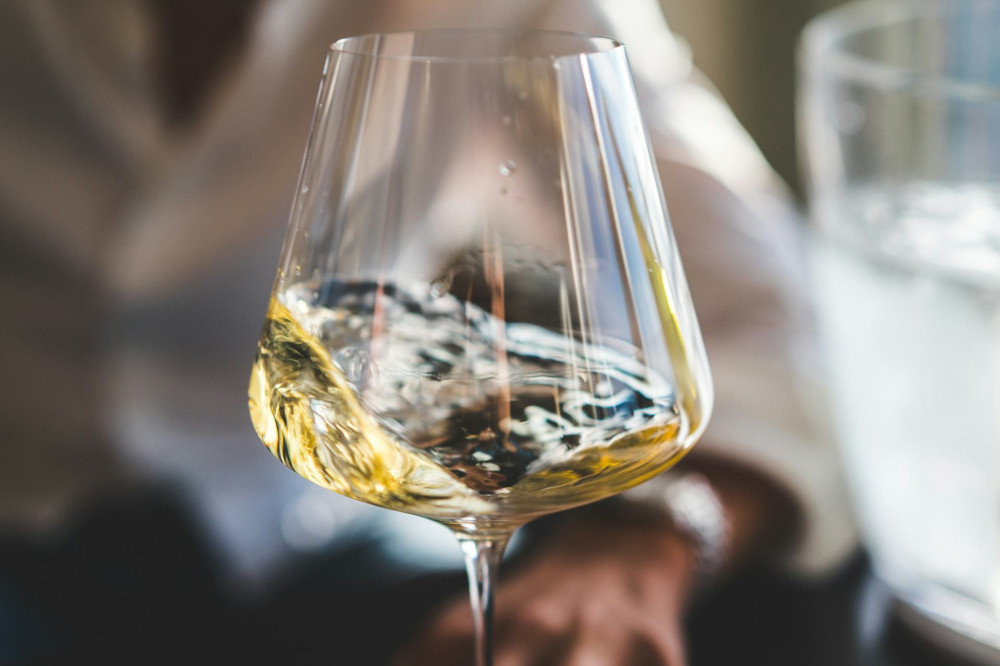
Tasting cider is all about curiosity. Pour it into a wine glass so you can appreciate its aroma and color. Notice the bubbles—are they fine and lively or soft and gentle? Is the cider clear or slightly cloudy? Each detail tells you something about how it was made.
When tasting, pay attention to three key elements:
- Sweetness and acidity: Some ciders are bright and tangy, while others are rounder and sweeter.
- Dryness: A dry cider often feels more wine-like and pairs beautifully with food.
- Aroma: Depending on the apples and fermentation, you might detect notes of honey, spice, citrus, or even earthy tones.
If you’re new to cider, start with a semi-dry style and then explore drier or more complex varieties. Many cider bars and tasting rooms offer flights, making it easy to compare different styles side by side.
Cider and Food – A Perfect but Overlooked Pairing
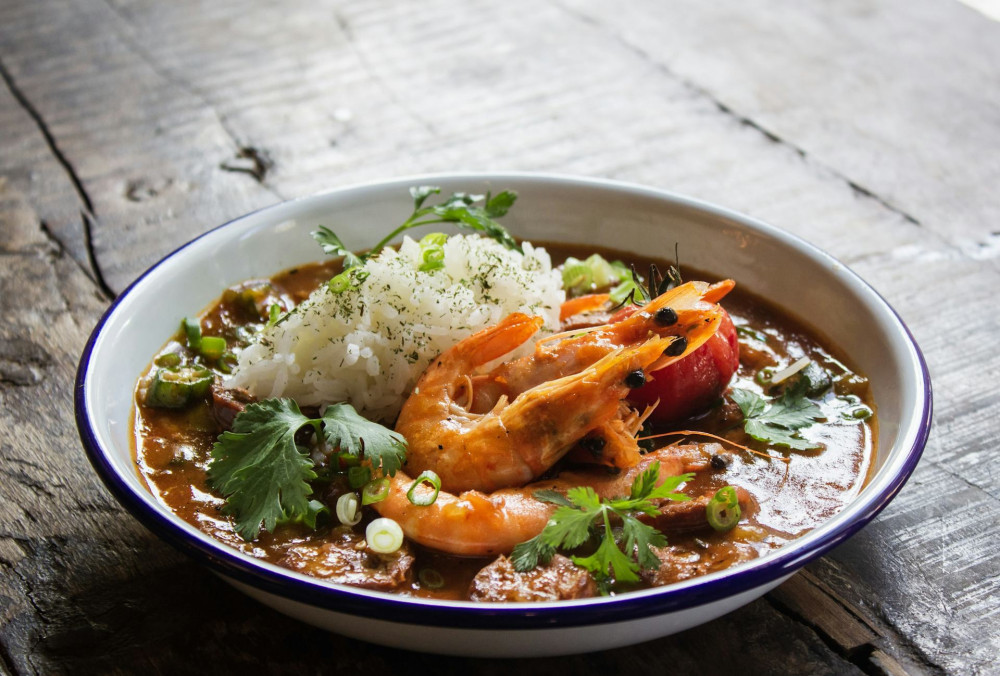
Cider is a remarkably versatile partner at the table, though it’s often overshadowed by wine or beer. Its natural acidity and fruit character make it a great match for a wide range of dishes. A dry cider pairs beautifully with seafood, roast chicken, or sharp cheeses, while a sweeter cider complements spicy foods or fruit-based desserts.
Try serving a crisp New England cider with pork chops and roasted apples, or a sparkling pear cider with a goat cheese salad. The balance of fruit and acidity can elevate even simple meals into something special.
Visit a Cidery – and Meet the Makers Behind the Craft
Across the country, more cideries are opening their doors to visitors. Touring a cidery gives you a firsthand look at how apples are pressed, fermented, and bottled—and, of course, a chance to taste the results. It’s a great way to connect with local producers and learn how much care and creativity go into every batch.
Many cideries are located in scenic orchard regions, making them perfect destinations for a weekend getaway. In the fall, you can often combine tastings with apple picking, picnics, or farm-to-table events that celebrate the harvest season.
A Drink with a Future – and a Past Worth Remembering
Cider’s growing popularity isn’t just about taste—it reflects a broader movement toward authenticity, sustainability, and local craftsmanship. It connects us to the land, the seasons, and the people who cultivate and transform fruit into something extraordinary.
Whether you prefer a traditional English-style cider, a French-inspired blend, or a bold American creation infused with hops or herbs, there’s always something new to discover. So next time you’re browsing the beverage aisle or visiting a local market, let your curiosity lead the way—you might just find your new favorite in a glass of sparkling apple magic.
Læs også: