Train Your Senses: How to Taste Wine with Your Eyes, Nose, and Mouth

Discover how to see, smell, and taste wine like a true connoisseur
Beverages
Beverages
5 min
Learn how to engage all your senses to uncover the full story behind every glass of wine. This guide shows you how to observe color, identify aromas, and taste with awareness—so you can appreciate wine on a deeper level, whether you’re a beginner or an enthusiast.
Isaiah Cooper
Isaiah
Cooper

Train Your Senses: How to Taste Wine with Your Eyes, Nose, and Mouth

Discover how to see, smell, and taste wine like a true connoisseur
Beverages
Beverages
5 min
Learn how to engage all your senses to uncover the full story behind every glass of wine. This guide shows you how to observe color, identify aromas, and taste with awareness—so you can appreciate wine on a deeper level, whether you’re a beginner or an enthusiast.
Isaiah Cooper
Isaiah
Cooper

Tasting wine is about much more than taking a sip. It’s a sensory experience where sight, smell, and taste work together to reveal the wine’s character. Whether you’re new to wine or already a devoted enthusiast, you can train your senses to understand what’s in your glass—and why two wines can taste so different. Here’s a guide to help you explore wine through your eyes, nose, and mouth.

Look at the Wine – Your Eyes Tell the First Story

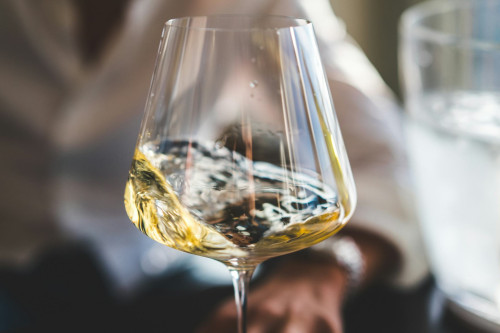
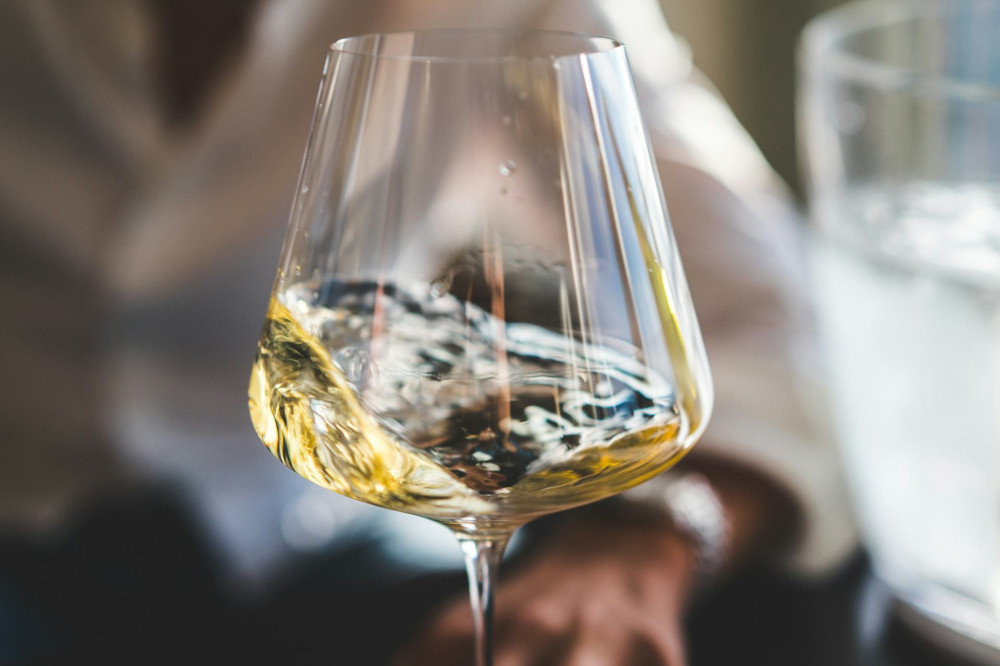
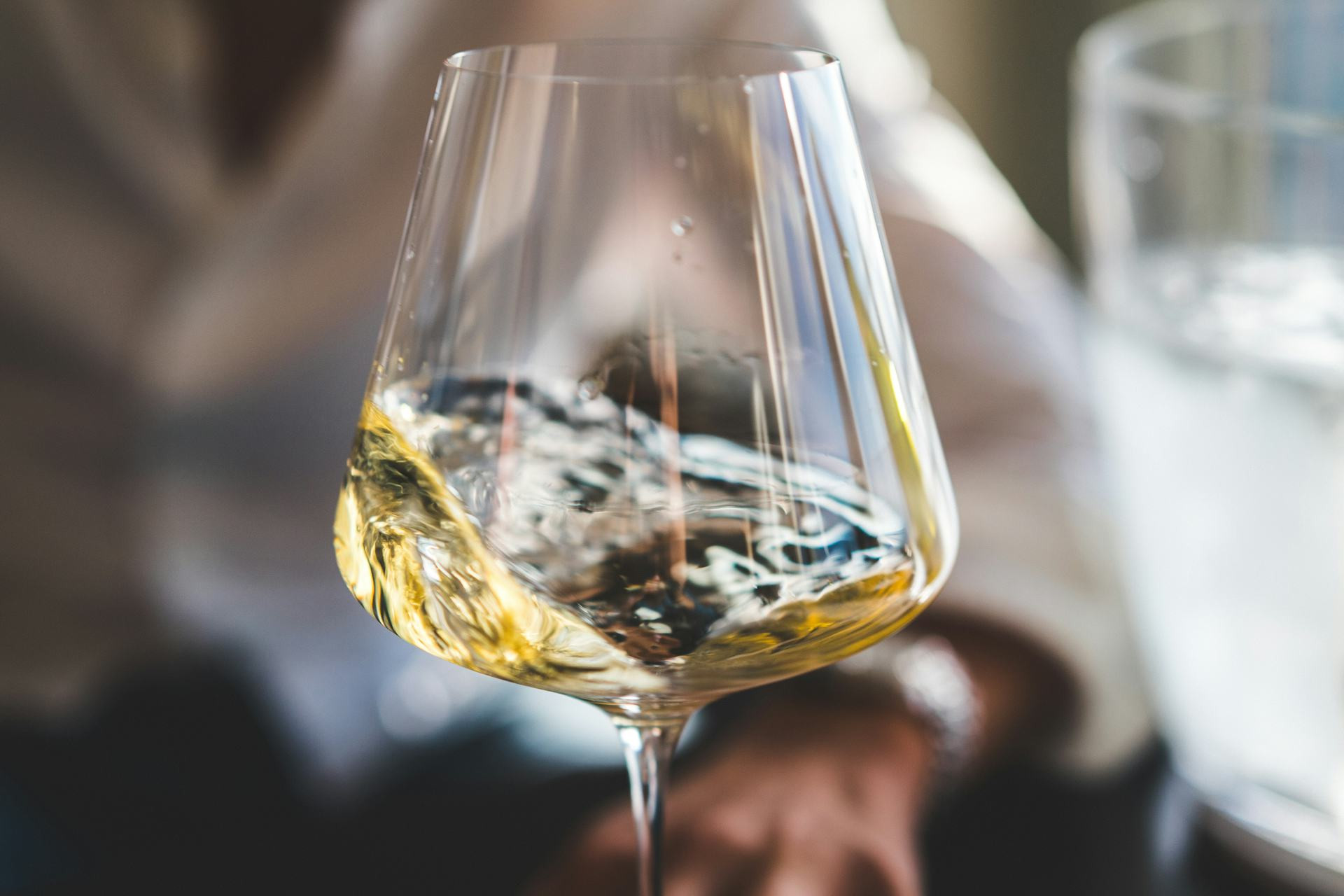
Before you even smell or taste, the experience begins with your eyes. Pour a small amount of wine into a clear glass and hold it up to the light. The color and clarity can tell you a lot about the grape variety, age, and style.

  • Color: Young white wines often appear pale with greenish hues, while older ones turn golden. Red wines shift from deep purple or ruby when young to brick or brownish tones as they age.
  • Clarity: A clear wine usually indicates filtration and stability, while a slight haze may suggest minimal intervention—common in natural wines.
  • Viscosity: Swirl the wine gently and watch how it forms “legs” or “tears” on the inside of the glass. Thicker legs can signal higher alcohol or sugar content.

Observing the wine helps you focus and prepares your other senses for what’s to come.

Smell the Wine – The Nose Knows

A wine’s aroma is its language. It tells you where the wine comes from, how it was made, and how it has evolved. Start by smelling the wine without swirling, then give it a gentle spin to release more aromas.

Wine aromas can be grouped into three categories:

  1. Primary aromas – from the grape itself: fruit, flowers, herbs, and minerals.
  2. Secondary aromas – from winemaking: yeast, butter, bread, or cream notes from fermentation and aging.
  3. Tertiary aromas – from aging: hints of nuts, tobacco, leather, or dried fruit.

Try to describe what you smell. It might feel challenging at first, but practice makes it easier. A great way to train your nose is to smell fresh fruits, spices, and herbs in your kitchen—building your own scent library over time.

Taste the Wine – Let Your Mouth Confirm and Challenge

When you take your first sip, let the wine move around your mouth. This is where you sense flavor, texture, and balance.

  • Sweetness: How much residual sugar is there? Wines range from bone-dry to lusciously sweet.
  • Acidity: Brings freshness and liveliness. High acidity makes your mouth water.
  • Tannins: The compounds from grape skins and oak that give red wines structure and a drying sensation.
  • Body: The weight or fullness of the wine—light like water or rich like cream.
  • Finish: How long the flavor lingers after swallowing. A long finish often signals quality.

Compare what you taste with what you smelled. Do they match, or does the wine surprise you? That interplay between aroma and flavor is where complexity lives.

Train Your Senses – One Step at a Time

Becoming skilled at tasting wine takes practice, but it doesn’t have to be intimidating. Start by comparing two wines side by side—perhaps a young and an aged version of the same grape, or one aged in oak and one not. Note what you see, smell, and taste. Over time, you’ll notice your senses sharpening and your preferences becoming clearer.

For the best experience, taste in a calm setting, free from strong odors, and use a clean, neutral glass. Keep water and plain bread nearby to cleanse your palate between wines.

Enjoy the Experience – Not Just the Analysis

While it’s fun to analyze aromas and structure, wine tasting is ultimately about enjoyment. A wine can be technically perfect yet not suit your personal taste. Listen to your senses, but also to your intuition. The best wine is the one that makes you want to take another sip.

Exploring the World of Cider – Discover Local Traditions and Find New Favorites
Discover the craft, culture, and flavors behind one of the world’s oldest and most refreshing drinks
Beverages
Beverages
Cider
Craft Drinks
Local Traditions
Food and Drink
Beverage Culture
4 min
From traditional orchards to modern craft cideries, explore how cider reflects local heritage and innovation. Learn how to taste, pair, and enjoy this versatile beverage—and uncover new favorites along the way.
Violet Hernandez
Violet
Hernandez
Create Your Own Cozy Beer Night at Home with Small Dishes and Great Brews
Turn your living room into the perfect spot for a relaxed evening of craft beers and tasty bites
Beverages
Beverages
Beer
Home Entertaining
Food Pairing
Craft Beer
Lifestyle
7 min
Discover how to host a cozy beer night at home with the right atmosphere, a mix of great brews, and small dishes that complement every sip. Whether it’s a casual get-together or a quiet night in, these simple tips will help you create an experience worth repeating.
Owen Green
Owen
Green
Train Your Senses: How to Taste Wine with Your Eyes, Nose, and Mouth
Discover how to see, smell, and taste wine like a true connoisseur
Beverages
Beverages
Wine Tasting
Wine Education
Sensory Experience
Wine Appreciation
Wine Guide
5 min
Learn how to engage all your senses to uncover the full story behind every glass of wine. This guide shows you how to observe color, identify aromas, and taste with awareness—so you can appreciate wine on a deeper level, whether you’re a beginner or an enthusiast.
Isaiah Cooper
Isaiah
Cooper
Give Your Smoothie a Twist – Boost the Flavor with Herbs, Spices, and Nuts
Discover how simple ingredients can transform your everyday smoothie into a gourmet delight
Beverages
Beverages
Smoothie
Healthy Eating
Flavor
Nutrition
Recipes
3 min
Take your smoothie game to the next level by adding herbs, spices, and nuts that bring new layers of flavor, aroma, and texture. Learn how to mix and match ingredients to create refreshing, nourishing blends that surprise your taste buds.
Ava Martinez
Ava
Martinez
Eat with the Seasons – Health and Flavor in Natural Harmony
Discover how seasonal eating brings freshness, balance, and sustainability to your table
Eat
Eat
Seasonal Eating
Healthy Living
Sustainable Food
Nutrition
Cooking Tips
7 min
Embrace the natural rhythm of the year by choosing ingredients at their peak. Eating with the seasons enhances flavor, supports your health, and helps the planet—one delicious meal at a time.
Christian Adams
Christian
Adams
Plan your weekly meals and eat more plant-based – effortlessly
Make plant-based eating simple with smart weekly meal planning
Eat
Eat
Plant-Based Eating
Meal Planning
Healthy Lifestyle
Sustainable Living
Cooking Tips
4 min
Discover how easy it can be to plan your weekly meals around plant-based ingredients. Learn practical tips for saving time, reducing food waste, and enjoying delicious, varied dishes that make healthy eating effortless.
Violet Hernandez
Violet
Hernandez
Basic Dishes with Potential: One Recipe, Many Variations
Discover how simple recipes can become endless culinary possibilities
Eat
Eat
Cooking
Recipes
Meal Planning
Food Inspiration
Home Cooking
7 min
Learn how to transform everyday staples into a variety of delicious meals. With a few basic recipes as your foundation, you can adapt flavors, ingredients, and styles to suit any season or craving—saving time while keeping your cooking fresh and creative.
Owen Green
Owen
Green