Basic Dishes with Potential: One Recipe, Many Variations

Basic Dishes with Potential: One Recipe, Many Variations
Some dishes are so simple that they practically invite reinvention. They form a solid foundation you can build on, adapt to the season, or tweak based on what’s in your fridge. That’s what makes basic dishes so valuable in everyday cooking: they save time, reduce food waste, and encourage creativity. Here’s how you can start with a few classic recipes and turn them into countless meals.
The Versatile Pasta Dish
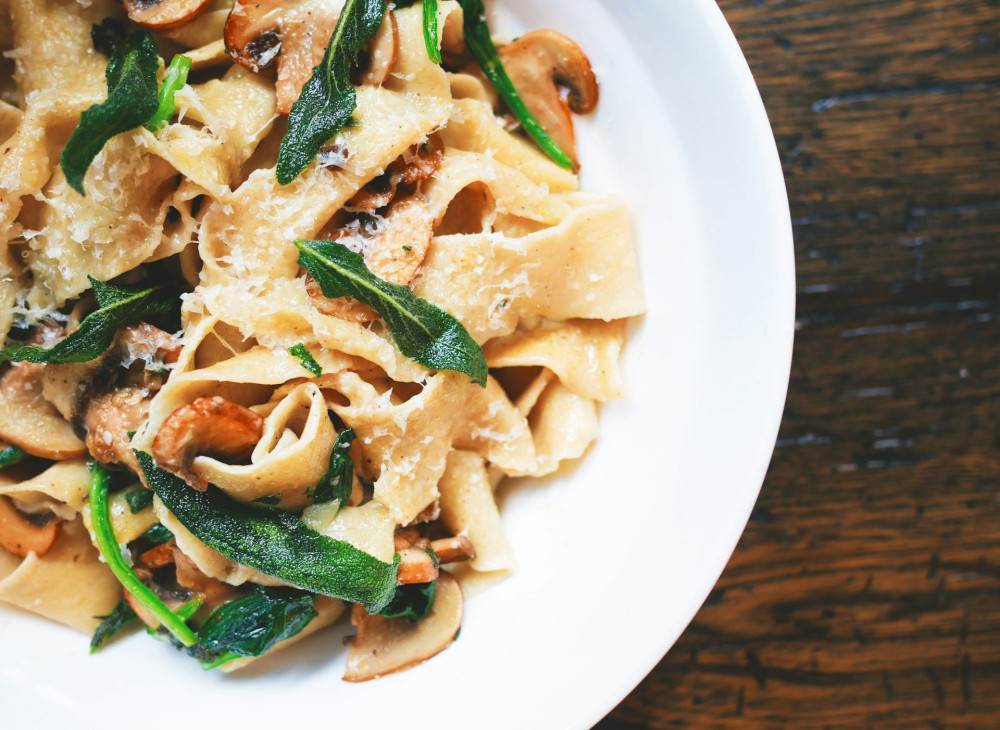
A simple pasta tossed with olive oil, garlic, and a bit of green is the perfect starting point. It can stand alone as a quick weeknight dinner or serve as the base for endless variations.
- With vegetables: Add seasonal produce—like spinach, zucchini, or cherry tomatoes—and finish with freshly grated cheese.
- With protein: Mix in grilled chicken, shrimp, or lentils for a heartier version.
- With sauce: Whip up a quick tomato sauce or a creamy Alfredo-style sauce, and you’ve got a whole new dish.
Think in components: the pasta stays constant, while the add-ins and flavors can change from day to day.
Soup – The Flexible Favorite
Soup is one of the most forgiving and adaptable dishes you can make. It requires few ingredients, suits any taste, and is perfect for using up leftovers.
- Basic idea: Start with onions, garlic, and root vegetables, then add broth.
- Variations: Blend for a smooth, creamy texture, or leave it chunky for a rustic feel.
- Flavor directions: Try an Asian-inspired version with ginger and coconut milk, or go Mediterranean with tomato and basil.
Serve with crusty bread, toasted seeds, or a dollop of yogurt—small touches that make a big difference.
Læs også:

Stews That Develop Flavor Over Time
A good stew is like a canvas for flavor. It can be vegetarian, meaty, or bean-based—and it often tastes even better the next day.
- Base: Onions, garlic, spices, and a liquid (broth, wine, or tomatoes).
- Variations: Swap between chicken, beef, beans, or lentils.
- Flavor profiles: Go for a Southwestern chili, an Indian-style curry, or a classic beef stew.
Once you’ve mastered the basic technique, you can improvise freely and use whatever ingredients you have on hand.
Salads That Satisfy
A salad doesn’t have to be a side dish. With the right elements, it can become a complete meal. Think about texture, color, and the balance between sweet, sour, and salty.
- Base: A mix of greens—like spinach, kale, or romaine.
- Heft: Add grains such as quinoa, farro, or brown rice.
- Protein: Include eggs, cheese, beans, or fish.
- Dressing: A simple oil-and-vinegar dressing can be varied with mustard, honey, or citrus.
A good salad can follow the seasons—from light summer versions to warm winter salads with roasted vegetables.
Pancakes – Sweet or Savory
Pancakes are a classic example of a basic recipe with endless possibilities. The same batter can work for breakfast, lunch, or dessert.
- Savory version: Fill with vegetables, cheese, and ham, or make wraps with hummus and greens.
- Sweet version: Serve with fruit, yogurt, or nuts.
- Variations: Swap all-purpose flour for buckwheat, oat, or whole wheat flour for a new flavor and texture.
Pancakes are also a great way to use up leftovers—almost anything can be wrapped in a pancake and turned into a new meal.
Basic Dishes as a Daily Strategy
Mastering a few basic dishes isn’t just about cooking—it’s about creating flexibility in your daily life. Once you understand the core principles, you can improvise, save time, and cut down on waste. It brings calm to the kitchen and variety to the table.
So next time you find yourself with a few leftover vegetables, some pasta, or half a can of beans, ask yourself: which basic dish can I build on today?
Læs også: