The Nature of the Ingredient in Focus: Respectful Preparation Leads to Higher Food Quality

The Nature of the Ingredient in Focus: Respectful Preparation Leads to Higher Food Quality
In an era when culinary innovation often means pushing boundaries with new gadgets, global fusions, and molecular techniques, a quiet but powerful movement is taking root across American kitchens: a return to simplicity and respect for the ingredient itself. More chefs and home cooks are realizing that true food quality doesn’t come from complexity, but from understanding—the nature of the ingredient, its origin, and its potential.
From Ingredient to Experience
An ingredient is never just a component of a recipe. It carries a story—of the soil it grew in, the climate that shaped it, and the people who cultivated or raised it. When we understand that story, it changes how we cook. A tomato ripened under the California sun deserves a different approach than one grown in a greenhouse in the Midwest, and a wild-caught salmon from Alaska should be treated differently than a farm-raised one.
Respectful preparation means listening to the ingredient. It’s about choosing the right method to highlight its natural flavor rather than masking it with too many additions. This approach requires both knowledge and humility—a willingness to let the ingredient lead the way.
Quality Begins Before the Kitchen
High-quality food doesn’t start at the stove; it begins with the selection of ingredients. A chef who knows their farmers, who understands how the vegetables were grown or how the animals were raised, has a far better foundation for creating flavor. It’s about understanding seasons, soil, and sustainability—and making thoughtful choices.
Across the United States, more restaurants are partnering directly with local producers to ensure freshness and traceability. This not only enhances flavor but also strengthens the connection between kitchen and land. When you know the journey of your ingredients, it becomes natural to treat them with care.
Technique as Support, Not the Star
Modern kitchens are filled with techniques—sous vide, fermentation, smoking, and more. But technique should never be the goal in itself. It should serve the ingredient, not overshadow it.
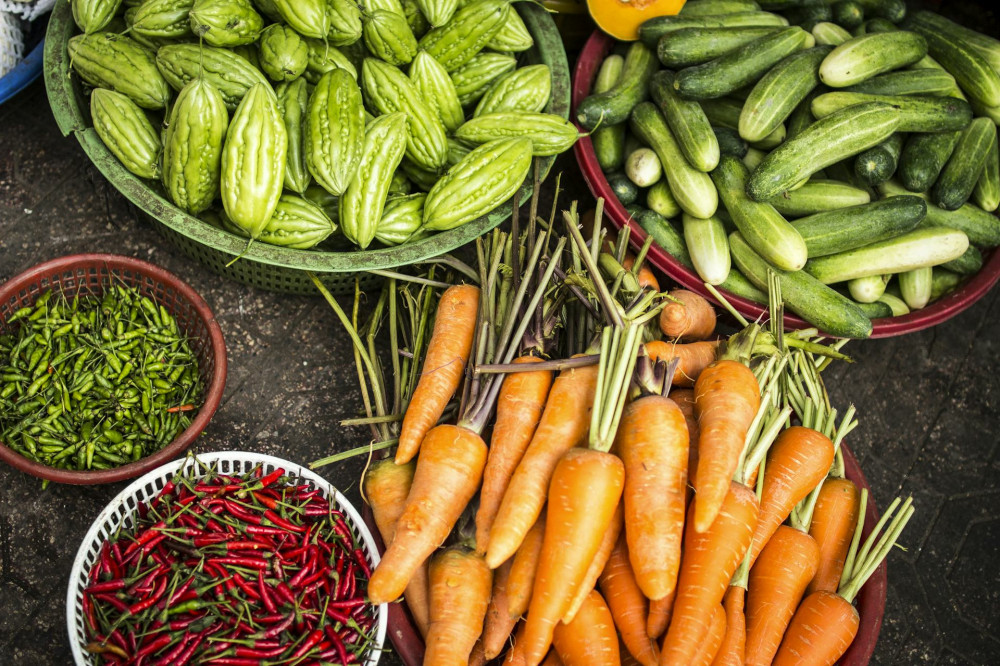
A perfectly cooked steak can be extraordinary, but only if the cook understands how marbling, temperature, and resting time interact. Likewise, a simple carrot can become a memorable dish when prepared with respect for its sweetness, texture, and color. The best cooking techniques are those that amplify what nature has already provided.
Flavor as the Compass
Ultimately, respectful preparation is about flavor—not about prestige, presentation, or complexity. The best food tastes like what it is made of. When we start from the ingredient’s natural qualities, a purity of flavor emerges that both professional chefs and home cooks can appreciate.
This philosophy invites us to taste as we go, to adjust, and to embrace simplicity. A perfectly ripe peach with a drizzle of honey can be as unforgettable as a multi-course tasting menu—if it’s served with an understanding of its nature.
Læs også:




A Philosophy Beyond the Kitchen
Focusing on the nature of the ingredient is not just a culinary philosophy—it’s an ethical and sustainable one. Using the whole ingredient, minimizing waste, and choosing local products contribute to a more responsible food system.
Respect for the ingredient is, at its core, respect for nature. And when that respect is reflected in the food we prepare, we can taste the difference—not only on the plate, but in the entire experience of eating.
Læs også: