Pressure to Eat or Drink More? How to Handle Social Situations

Pressure to Eat or Drink More? How to Handle Social Situations
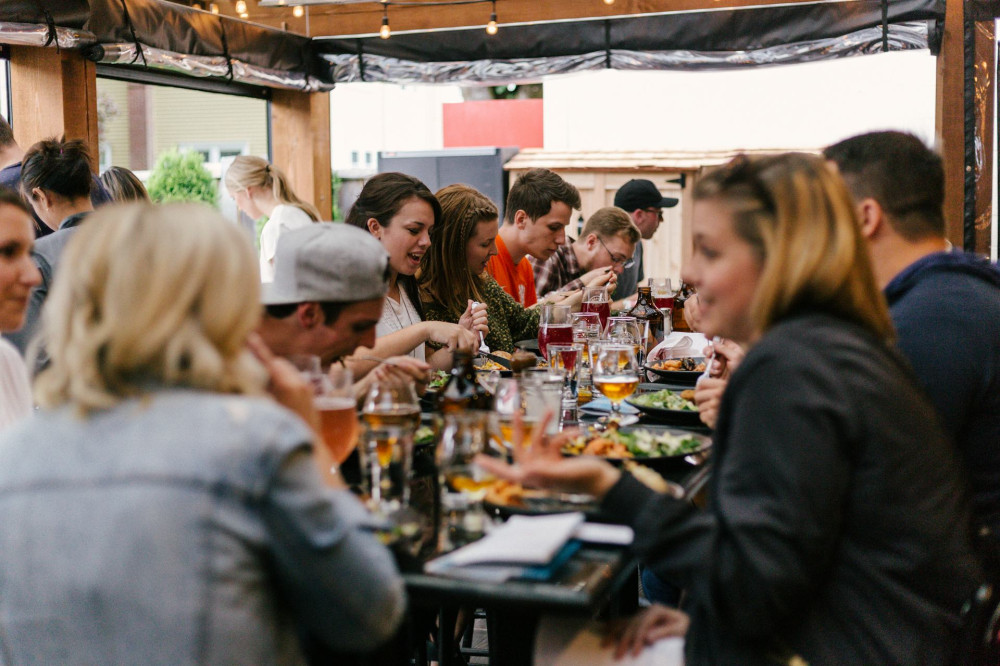
Sharing food and drinks is a big part of American social life—whether it’s a family barbecue, a holiday dinner, or a night out with friends. But for many people, these gatherings can also bring a sense of pressure: “Come on, have another slice!” or “Just one more drink!” Saying no can feel awkward, especially when you don’t want to seem rude or ungrateful. Here’s how to handle those moments with confidence and kindness.
Why the Pressure Happens
Food and drinks often symbolize connection and celebration. When someone encourages you to eat or drink more, it’s usually not about what’s on your plate—it’s about wanting to share an experience. In American culture, generosity and hospitality are often expressed through abundance, so turning down an offer can sometimes be misread as rejecting the person, not the food.
Understanding this can help you respond with empathy. The pressure often comes from good intentions, not from someone trying to make you uncomfortable.
Know Your Own Boundaries
Before heading to a social event, take a moment to think about what feels right for you. Maybe you’re cutting back on alcohol, managing your health, or simply not hungry. Whatever your reason, it’s valid.
Having a few polite responses ready can make it easier to say no without overexplaining. For example:
- “Thanks, it was delicious, but I’m full.”
- “I’m good for now—I want to pace myself.”
- “I’m sticking with water tonight, but cheers!”
Short, friendly, and firm is often all it takes.
When the Pressure Comes from Good Intentions
Most people who offer you more food or another drink are just trying to be kind. They want you to feel included and cared for. Acknowledging their intention before declining can help keep things positive.
You might say: “I really appreciate it—it looks great—but I’ve had plenty, thank you.”
This shows gratitude while still holding your boundary. If someone keeps insisting, repeat your answer calmly and with a smile. Most people will get the message.
Læs også:
Simple Strategies That Make It Easier
There are small, practical ways to reduce unwanted pressure in social settings:
- Keep something in your hand. Holding a drink—alcoholic or not—signals that you’re already participating.
- Serve yourself small portions. You can always go back for more if you want, but it helps avoid comments about not eating enough.
- Shift the focus. Ask questions or start a new topic to move attention away from what’s on your plate.
- Bring an ally. If you’re attending with someone who understands your choices, they can help deflect pressure or change the subject.
When You’re the Host
If you’re hosting, you can set the tone for a more comfortable environment. Offer a variety of options—nonalcoholic drinks, lighter dishes, and plenty of flexibility. Let guests know they’re welcome to enjoy things at their own pace.
Avoid commenting on how much someone eats or drinks. Even well-meaning remarks like “You’re not having any?” can make people feel self-conscious. True hospitality means making everyone feel at ease, no matter their choices.
Standing by Your Choices—Respectfully
It takes confidence to say no in a culture where “more” often feels like the norm. But setting boundaries is part of taking care of yourself. You don’t owe anyone an explanation for your choices, and you can still be fully part of the group.
When you say no with calmness and respect, you not only honor your own needs—you also show others that it’s okay to do the same. That kind of quiet confidence can make social gatherings more relaxed and inclusive for everyone.
Læs også: