Sugar-Free Drinks and Natural Alternatives – A Growing Part of the Health Trend

Sugar-Free Drinks and Natural Alternatives – A Growing Part of the Health Trend
In recent years, Americans have increasingly turned toward sugar-free drinks and natural alternatives to traditional sodas and juices. What was once seen as a niche market for dieters has become a mainstream movement tied to wellness, sustainability, and mindful consumption. But what’s driving this shift—and what does it say about the future of how we drink?
From “Diet” to “Wellness”
Back in the 1990s and early 2000s, sugar-free drinks were often associated with artificial sweeteners and a somewhat chemical aftertaste. Today, the picture looks very different. Consumers are seeking beverages that fit into a balanced lifestyle—products that taste good, feel natural, and align with their health goals.
Many brands have moved away from the “diet” label and toward “naturally sweetened.” Instead of aspartame or saccharin, they use stevia, monk fruit, erythritol, or fruit extracts to deliver sweetness without calories. Packaging has also evolved—clean, minimalist designs and eco-friendly materials signal transparency and authenticity. The message is clear: healthy doesn’t have to mean boring.
Læs også:

The Rise of Natural Alternatives
Beyond the classic sugar-free sodas, a wide range of new beverage categories has emerged across the U.S. market:
- Kombucha – a fermented tea rich in probiotics, offering a tangy, refreshing alternative to soda. It appeals to those who want both flavor and function.
- Infused water – water enhanced with natural flavors from citrus, berries, or herbs. It’s simple, hydrating, and feels homemade.
- Cold-brew tea and coffee – low-sugar drinks with a natural bitterness that many adults prefer over sweetened beverages.
- Plant-based drinks – coconut water, oat milk, and almond milk are no longer just for coffee; they’re enjoyed on their own as light, refreshing options.
All of these share a common goal: combining taste, health, and sustainability—three values that define today’s conscious consumer.
A More Informed Consumer
The health trend isn’t just about cutting sugar; it’s about understanding what we consume. More Americans are reading ingredient labels, following nutrition discussions, and demanding transparency from brands. This has pushed beverage companies to be open about sourcing, production, and additives.
Environmental awareness also plays a growing role. Many consumers prefer drinks with short ingredient lists, locally sourced ingredients, and recyclable packaging. Being “sugar-free” is no longer enough—the drink must also be responsible.
Taste Still Matters
Even as health takes center stage, taste remains the deciding factor. Consumers no longer accept that sugar-free means less enjoyable. Beverage makers are investing in new flavor technologies and natural aromas to create full-bodied, satisfying drinks without added sugar.
Small U.S. producers and craft beverage companies are experimenting with herbs, botanicals, and regional fruits to develop unique flavor profiles. The result is a diverse market—from crisp lemonades to complex, almost wine-like nonalcoholic blends.
Changing the Menu
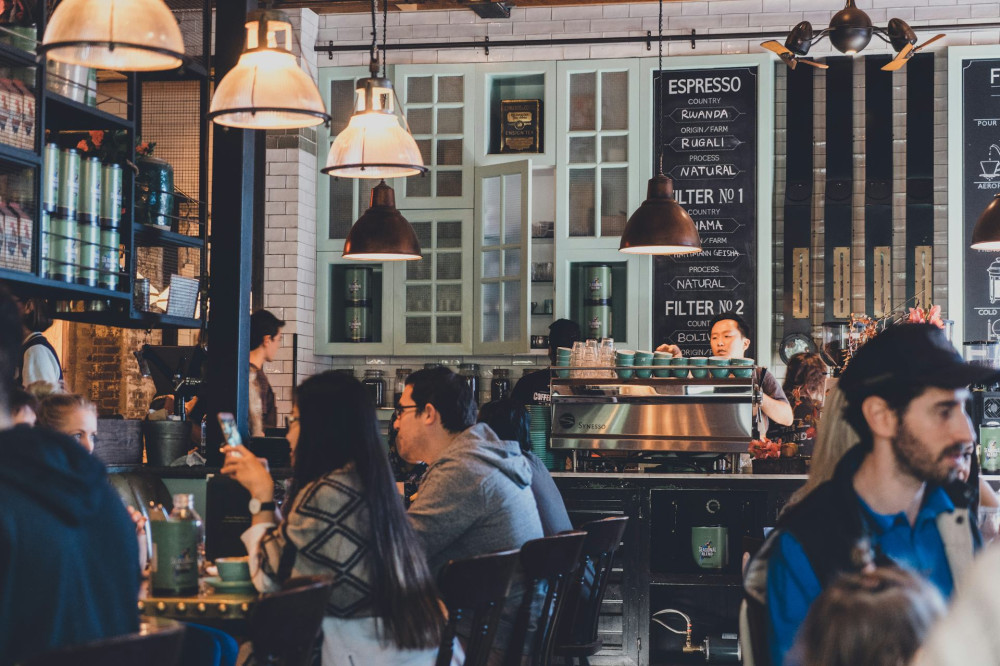
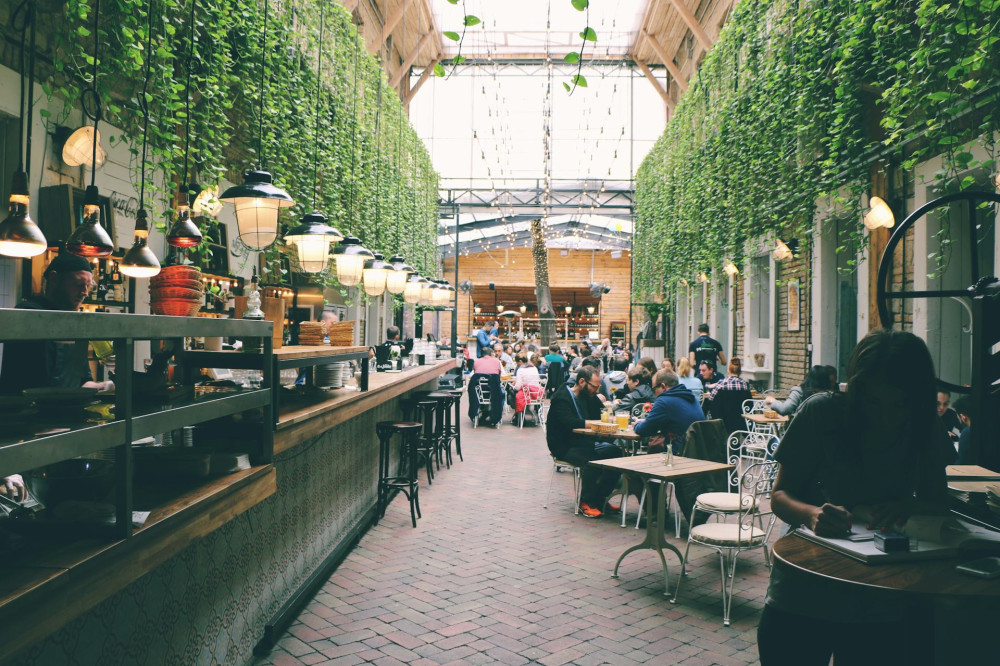
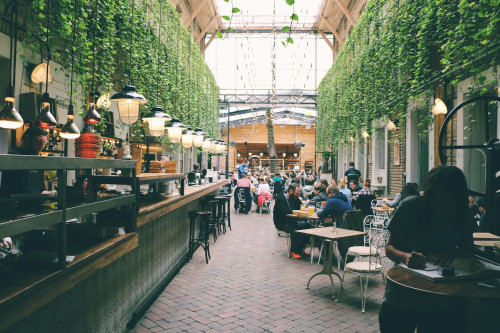
Restaurants and cafés across the country are also adapting. Where soda or juice once dominated, menus now feature sugar-free and naturally sweetened options. Draft kombucha, house-made iced teas, and alcohol-free cocktails with natural sweeteners are becoming staples.
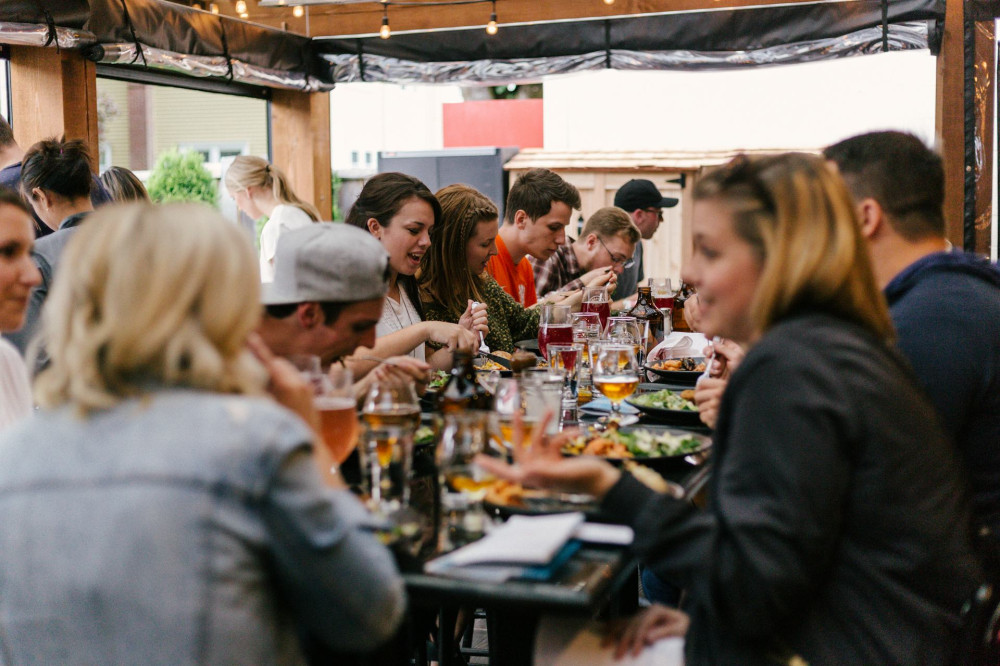
For the hospitality industry, this isn’t just about following a trend—it’s about meeting customer expectations. Diners want to enjoy a drink that complements their meal without compromising their health goals.
A Trend That’s Here to Stay
All signs suggest that sugar-free and natural beverages are not a passing fad but a lasting shift in drinking habits. The combination of health, flavor, and sustainability perfectly captures the spirit of the times.
Looking ahead, we can expect even more innovation—drinks with added vitamins, adaptogens, or plant-based nutrients. But the core idea will remain the same: people want beverages that taste good, feel good, and do good.
Læs også: