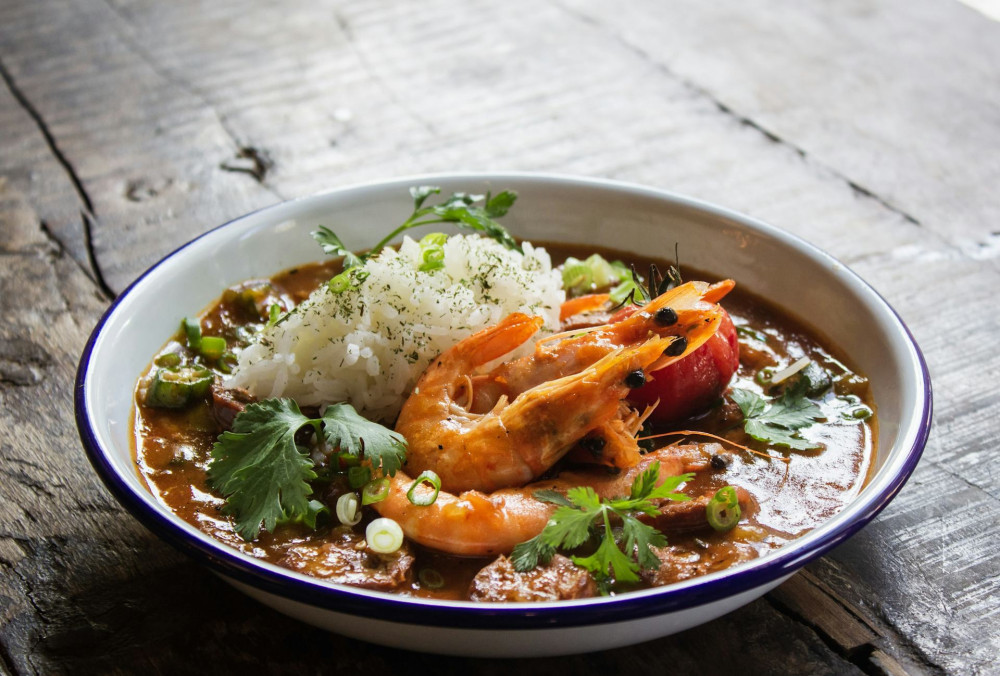
Variety in Healthy Meals Without Extra Effort – Here’s How


Variety in Healthy Meals Without Extra Effort – Here’s How
Many people want to eat healthy every day but quickly find themselves stuck in a routine. The same chicken breasts, the same salads, the same sides—again and again. But healthy eating doesn’t have to be repetitive or time-consuming. With a few smart tweaks, you can bring variety and excitement to your meals without adding extra work. Here’s how.
Think in Components, Not Recipes
One of the easiest ways to add variety is to think in building blocks instead of fixed recipes. Instead of making “chicken with rice and vegetables” as a set dish, think of it as three parts: a protein, a carbohydrate, and vegetables. Once you have that structure, you can easily swap ingredients.
- Protein: Rotate between chicken, fish, eggs, beans, lentils, or tofu.
- Carbs: Try quinoa, brown rice, barley, or sweet potatoes instead of pasta or white rice.
- Veggies: Choose what’s in season—fresh produce tastes better and keeps things interesting.
This approach lets you create several different meals from the same basic idea, without spending more time in the kitchen.
Use Spices and Marinades to Transform Flavor
Flavor is often what makes us feel like we’re eating “the same thing.” But with spices and marinades, you can completely change a dish without changing the main ingredients.
- Mediterranean flair: Olive oil, lemon, garlic, and oregano.
- Asian-inspired: Soy sauce, ginger, sesame oil, and lime.
- Southwestern kick: Chili powder, cumin, lime juice, and cilantro.
Keep small jars of spice blends or marinades ready to go. It takes seconds to switch up the flavor, but it makes a big difference.
Let Vegetables Take Center Stage
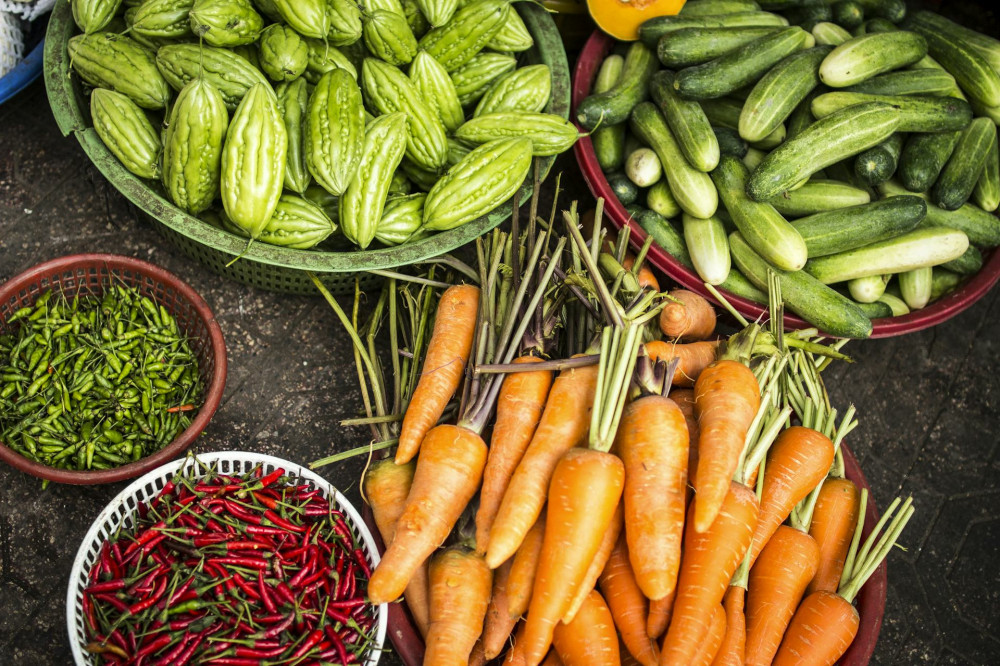
Vegetables don’t have to be a side—they can be the star of the meal. Try making one veggie-based dish each week, focusing on color, texture, and variety.
Examples:
- Roasted root vegetables with chickpeas and a yogurt dressing.
- Stir-fried broccoli, carrots, and cashews.
- Grilled eggplant with quinoa and fresh herbs.
Changing how you cook your vegetables—raw, roasted, steamed, or sautéed—also brings new flavors and textures, even with the same ingredients.
Plan Once, Eat Differently All Week
Meal planning doesn’t have to mean eating the same thing every day. In fact, it can help you create more variety if you plan smartly. Choose ingredients that can be reused in different ways.
For example: Cook a big batch of quinoa on Monday. Use it in a salad on Tuesday, as a side for fish on Wednesday, and in veggie patties on Friday. Or roast a whole chicken on Sunday, then use the leftovers in wraps, soups, or grain bowls throughout the week.
You’ll save time and still enjoy something new each day.
Læs også:



Make Your Freezer Work for You
Variety also comes from having options. If you freeze small portions of different foods, you can mix and match easily. Freeze leftover soups, cooked beans, roasted vegetables, or grains. That way, you can quickly assemble a healthy meal without starting from scratch.
Freeze in small containers so you can take out just what you need. It reduces food waste and makes it easier to improvise.
Make Healthy Choices the Easy Ones
It’s easier to eat well when the healthy choice is also the most convenient. Chop vegetables ahead of time, make a simple dressing, or cook extra grains while you’re already in the kitchen. A few minutes of prep can help you put together a balanced, varied meal in no time—even on busy days.
In the end, variety isn’t about doing more—it’s about using what you already do in new ways. With a little creativity and planning, you can enjoy healthy, exciting meals all week long—without any extra effort.
Læs også: