The Cafeteria’s Atmosphere Means Everything: Lighting, Sound, and Design That Stimulate the Appetite

The Cafeteria’s Atmosphere Means Everything: Lighting, Sound, and Design That Stimulate the Appetite
When employees step into the cafeteria, it’s not just the food that shapes their experience. The space around the plate plays a much bigger role than most people realize. Lighting, sound, and design all influence appetite, mood, and social interaction. A well-thought-out atmosphere can turn lunch into a highlight of the day—while a poor environment can make even the best meal feel dull.
Lighting That Awakens the Appetite
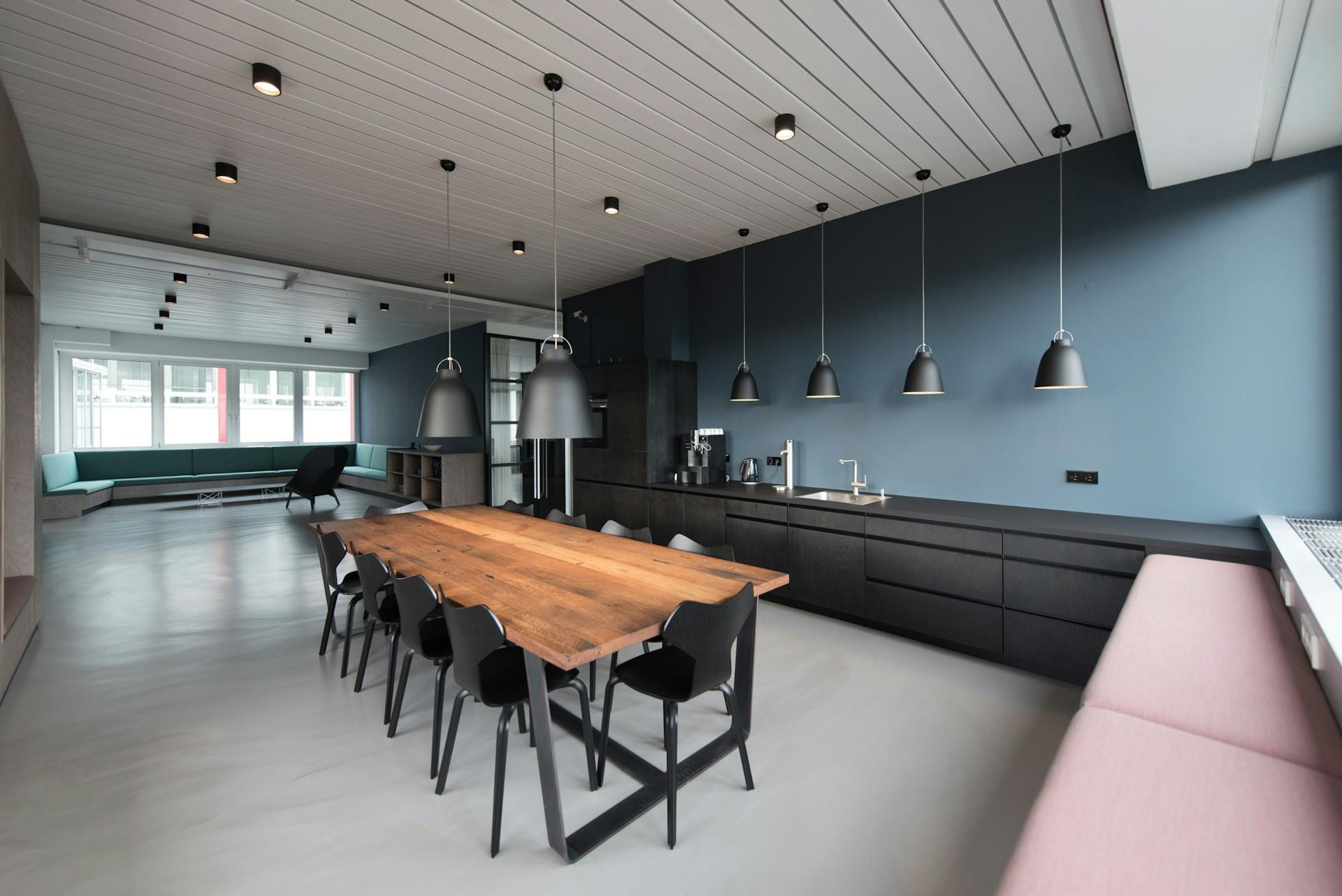
Lighting is one of the most powerful tools for shaping how we experience a meal. Harsh, bright light can feel sterile and stressful, while overly dim lighting can make it hard to see the food clearly. The sweet spot lies somewhere in between—a warm, natural light that enhances the colors of the food and creates a sense of calm.
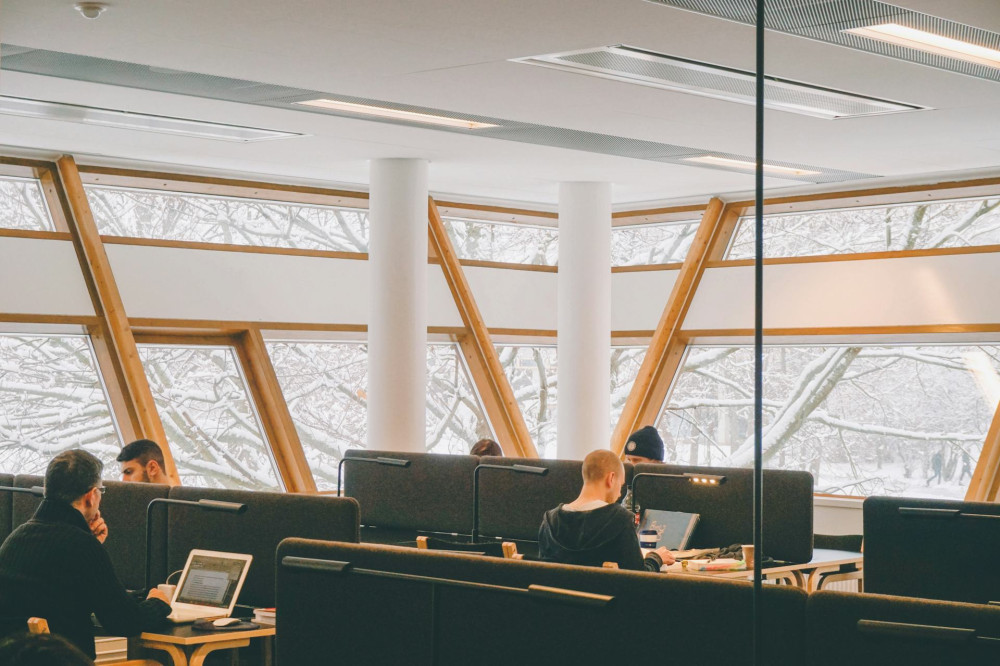
Many modern cafeterias use lighting zones: brighter illumination at the serving stations, where people need to see their options clearly, and softer light at the tables, where conversation and relaxation take place. Access to daylight is a major plus—not only for appetite but also for energy levels and overall well-being.
A smart approach is to use dynamic lighting, where brightness can be adjusted throughout the day. This allows for a lively, energizing atmosphere at lunchtime and a more relaxed mood for afternoon breaks.
The Sound Environment – The Invisible Mood Setter
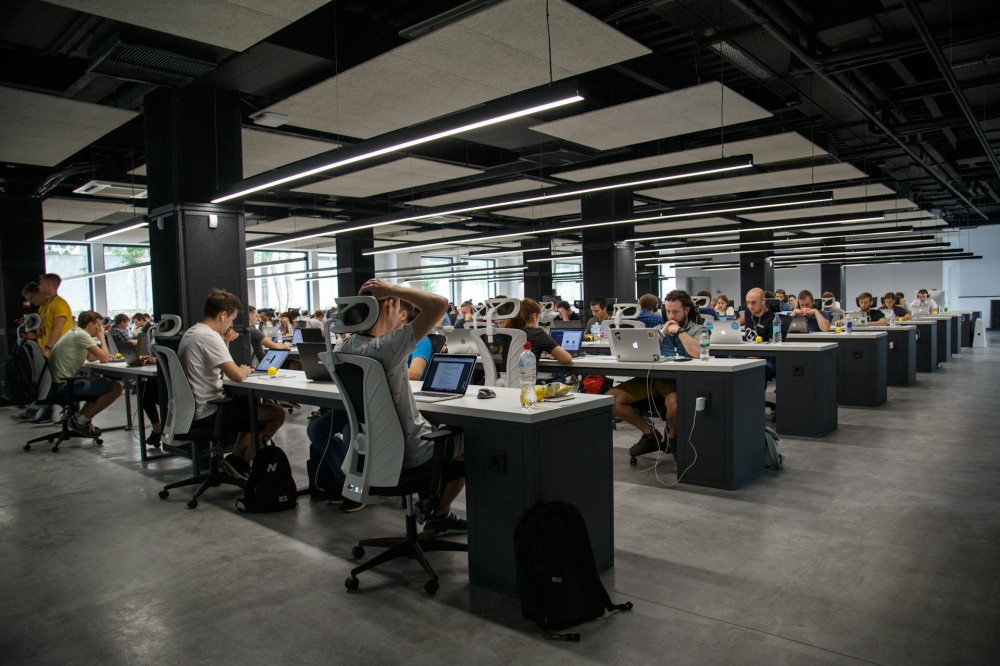
Sound is often overlooked when designing a cafeteria, yet acoustics have a huge impact on how a space feels. Hard surfaces like glass, concrete, and metal bounce sound around, creating noise and tension. That can make conversations difficult and cause people to eat quickly just to escape the chaos.
The solution lies in sound-absorbing materials: acoustic panels on the ceiling, textiles, plants, and furniture with soft surfaces. Even small changes can make a big difference. Some cafeterias also add background music at a low volume to soften the noise and create a more pleasant atmosphere. The music should be chosen carefully—it should support calmness, not compete with conversation.
A good sound environment is all about balance: a lively buzz is welcome, but it shouldn’t become exhausting.
Design That Encourages Connection
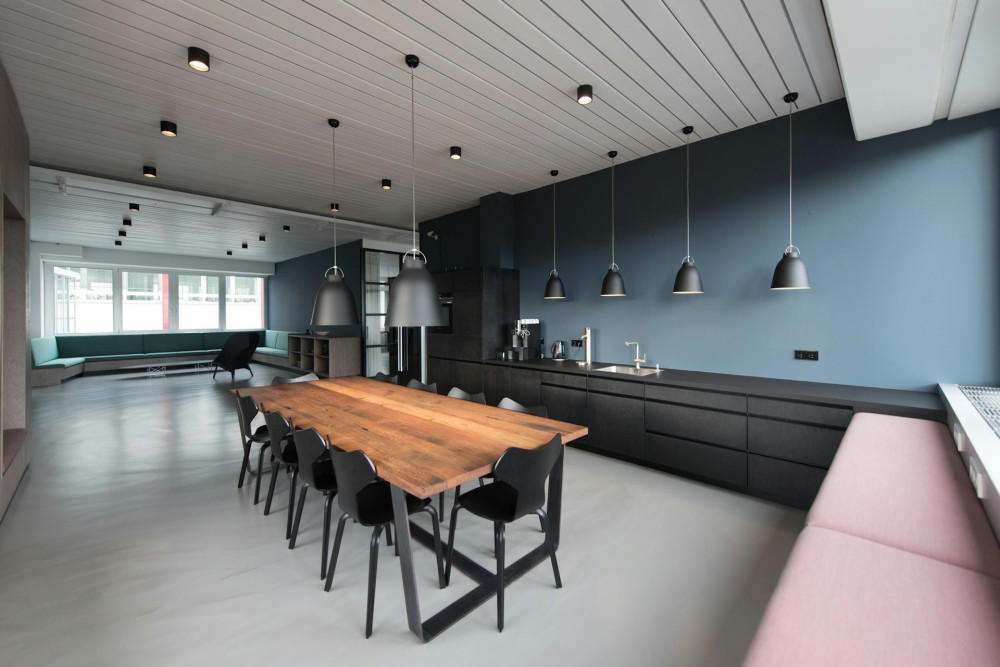
The cafeteria’s layout sets the stage for how people use the space. Long tables can encourage community and conversation, while smaller tables offer quiet and focus. A mix of both provides flexibility—so everyone, from the social lunch crowd to the solo diner, feels comfortable.
Color and material choices matter too. Warm tones like green, yellow, and terracotta can stimulate appetite and create a cozy feel, while cooler shades like blue and gray tend to calm the senses. Natural materials such as wood and fabric add warmth and make the space feel more inviting.
More companies are now designing cafeterias as multi-purpose spaces that can also host meetings, workshops, or informal gatherings. This requires flexible furniture and thoughtful planning, but it can give the cafeteria new life beyond lunchtime.
Scent and Temperature – The Overlooked Details
While lighting, sound, and design are the most visible elements, scent and temperature also play key roles. A comfortable temperature and good ventilation are essential for a fresh, pleasant environment. Food aromas can be appetizing, but if they linger too long, they become unpleasant. Effective ventilation and regular air circulation are therefore must-haves.
A simple trick is to let the aroma of freshly brewed coffee or baked bread fill the air briefly—it can instantly create a sense of comfort and warmth.
Læs også:


Atmosphere as Part of the Meal
In the end, a great cafeteria experience is about more than food. The atmosphere is part of the meal—it shapes how we taste, talk, and feel. A well-designed environment can boost both appetite and connection, while a poor one can drain energy.
That’s why cafeteria design should be seen as an investment in employee well-being. It’s a place not just to eat, but to recharge, share ideas, and connect across teams. Because ultimately, it’s not only the food that nourishes us—it’s the feeling that surrounds it.
Læs også: