Sort and Recycle Takeout Packaging – Small Steps Toward Less Waste

Sort and Recycle Takeout Packaging – Small Steps Toward Less Waste
Takeout food has become a staple in many Americans’ busy lives. It’s convenient, quick, and fits perfectly into a hectic schedule. But with that convenience comes a challenge: packaging waste. Plastic containers, paper boxes, aluminum trays, and bags pile up fast—and much of it ends up in the trash. The good news is that a large portion can actually be recycled or reused if you know how. Here’s a guide to help you take small but meaningful steps toward less waste in your everyday routine.
Know Your Materials – and Sort Correctly
Takeout packaging comes in many forms, and it’s not always clear where each item belongs. A good rule of thumb is to check the material and make sure it’s clean enough for recycling.
- Plastic – Rinse plastic containers and lids to remove food residue, then place them in your curbside recycling bin if your local program accepts them. Most communities accept rigid plastics, but check your city’s recycling guidelines for details.
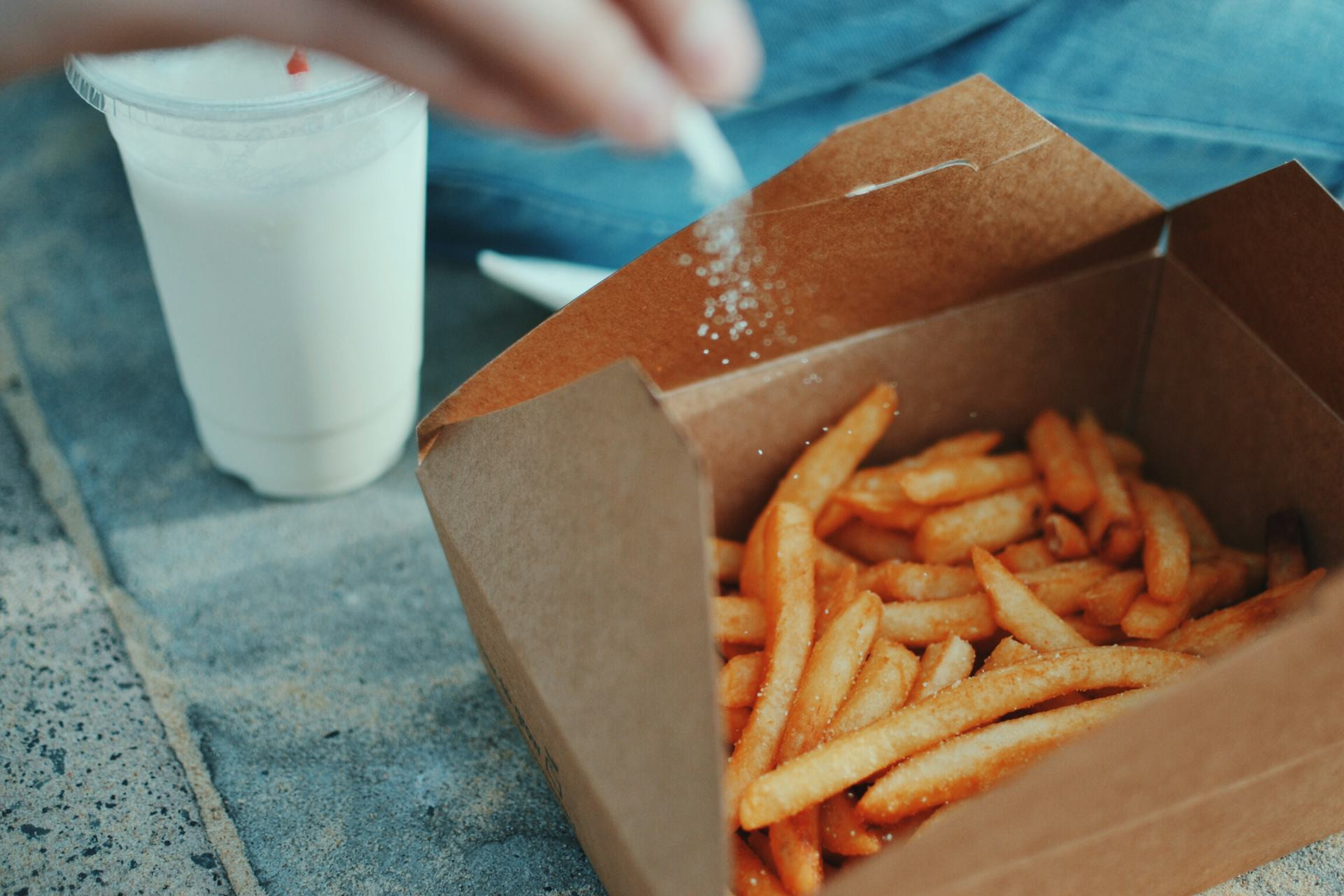
- Paper and cardboard – Pizza boxes and paper cartons can go in the recycling bin if they’re not greasy. If they’re soaked with oil or food, they belong in the trash.
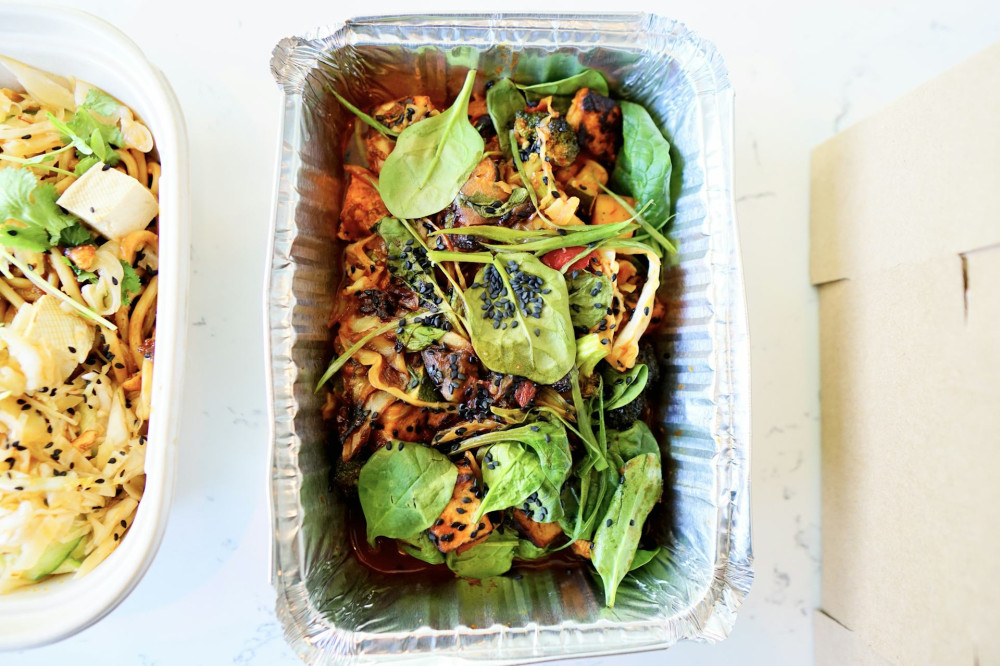
- Aluminum – Clean foil trays and lids can be recycled. Give them a quick rinse and place them with other metals.
- Glass – Bottles and jars from drinks or sauces can be recycled, even with labels still attached.
- Compostable packaging – Some restaurants use compostable or biodegradable containers. These usually need to go in a commercial composting program, not your home compost or recycling bin, unless your city specifically accepts them.
By taking a moment to sort correctly, you help ensure that materials can be turned into new products instead of ending up in a landfill or incinerator.
Læs også:
Rinse, Dry, and Reuse
One of the biggest barriers to recycling is leftover food. Greasy or dirty packaging can contaminate entire batches of recyclables. That’s why it’s important to rinse and dry containers before tossing them in the right bin. It doesn’t have to be spotless—just a quick rinse will do.
Some containers can even be reused directly. Plastic boxes from salads or rice dishes make great storage for leftovers, and glass jars can be repurposed as small vases or spice containers. It’s all about getting creative and seeing potential in what you might otherwise throw away.
Choose Takeout Wisely
As a consumer, you can also reduce waste before it even starts. Many restaurants now offer more sustainable options:
- Say no to utensils and napkins if you’re eating at home.
- Support restaurants that use reusable or returnable containers—some local spots and chains now offer programs where you can return containers for cleaning and reuse.
- Ask about packaging—the more customers request eco-friendly options, the faster change will happen.
Some cities and apps even allow you to bring your own containers for takeout. It takes a bit of planning, but it can significantly cut down on waste.
Small Habits, Big Impact
It might seem like a small thing to rinse a plastic container or recycle a pizza box, but collectively, these actions make a real difference. Recycling saves energy and raw materials and reduces the need for new production.
If you want to go a step further, consider your overall takeout habits. Maybe you can cook at home a few more times a week, share an order with a friend, or choose restaurants that prioritize sustainability. It’s not about giving up convenience—it’s about finding a balance where convenience and care for the planet go hand in hand.
A Greener Takeout Culture
The future of takeout doesn’t have to be filled with single-use packaging. Across the U.S., cities, businesses, and consumers are working toward a more circular system where packaging is seen as a resource, not waste. By sorting, reusing, and making mindful choices, you can be part of that shift.
It doesn’t take major sacrifices—just a bit of awareness in your daily routine. And sometimes, it’s those small steps that make the biggest difference.
Læs også: