Packaging with Care: Shape and Size Make Takeout More Convenient

Packaging with Care: Shape and Size Make Takeout More Convenient
Takeout has become a staple of everyday life in the United States. Whether it’s a quick lunch between meetings, dinner after a long day, or a weekend treat, Americans rely on takeout for convenience and comfort. But behind every order lies an often-overlooked detail: the packaging. It’s not just about keeping food intact—it’s about making the experience practical, sustainable, and enjoyable. The shape and size of the packaging play a bigger role than most people realize.
Packaging as Part of the Experience
When you pick up your takeout or open a delivery bag, the packaging is the first thing you see and touch. It sets the tone for the meal. Well-designed packaging can make food easier to eat, keep it at the right temperature, and prevent spills. Poor packaging, on the other hand, can turn a great meal into a messy disappointment.
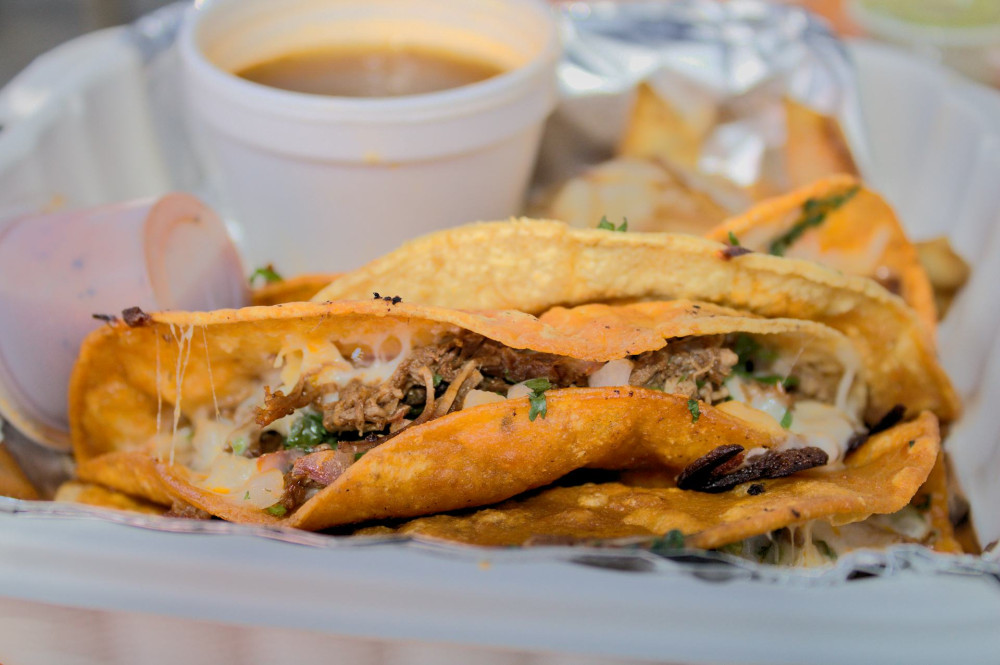
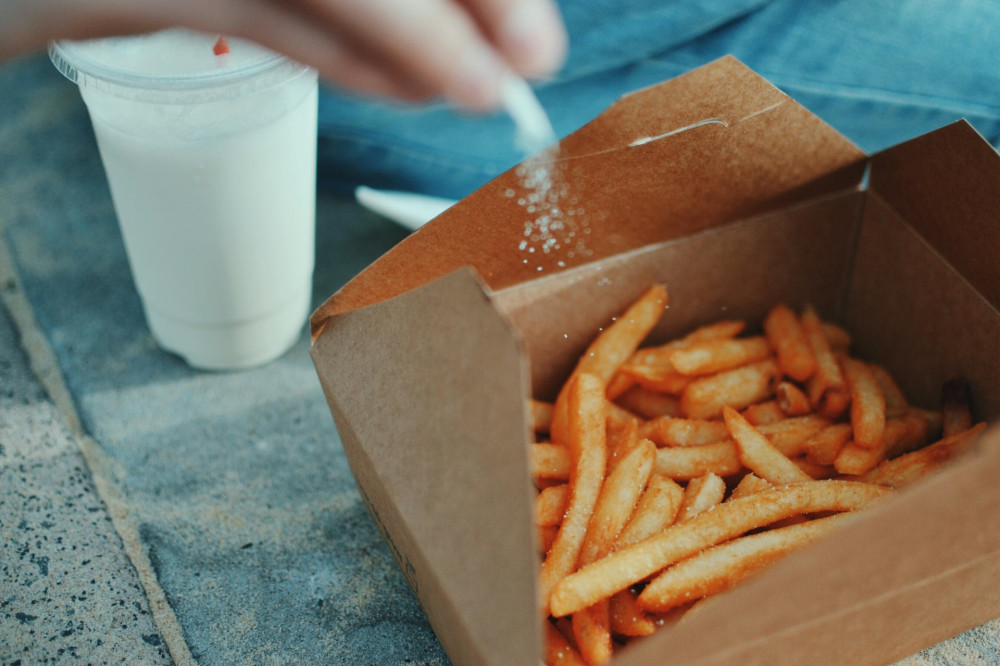
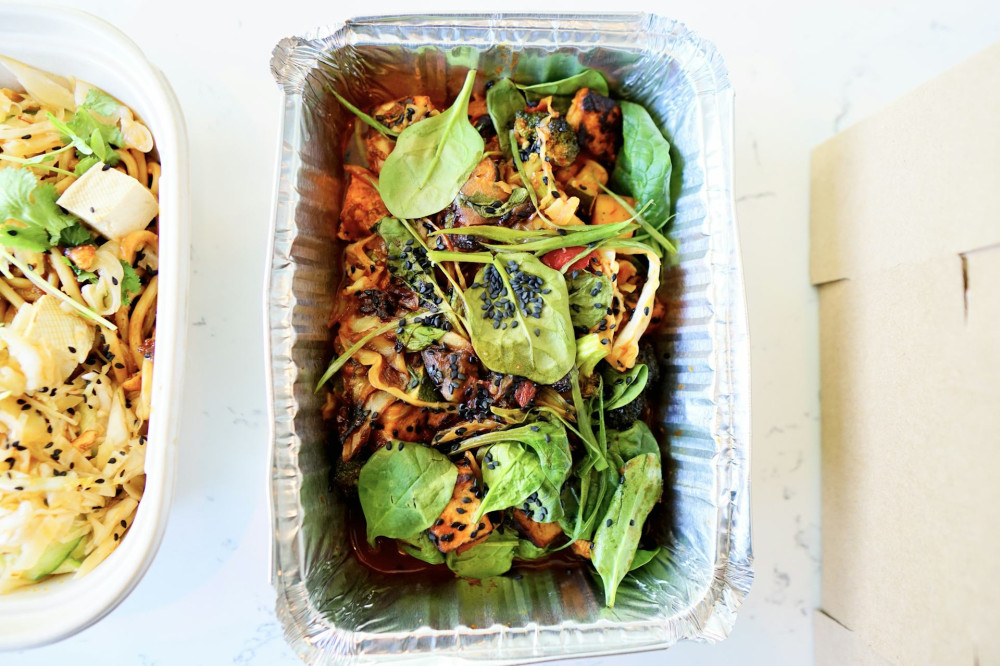
Many restaurants are now paying closer attention to how their food travels. A stackable bowl with a secure lid helps delivery drivers carry multiple orders safely. A divided container keeps sauces separate from salads or sides. These small design choices make a big difference for both customers and restaurants.
Læs også:
The Right Size—Not Too Big, Not Too Small
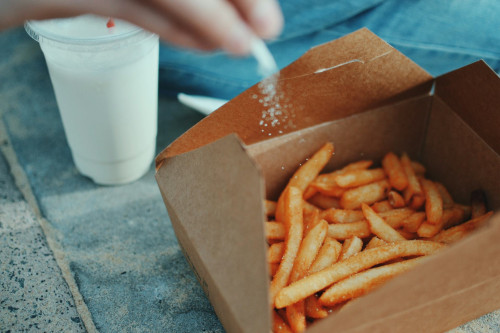
One of the biggest challenges in takeout packaging is finding the right size. Oversized containers waste materials and take up unnecessary space, while undersized ones can crush or mix food together.
To solve this, many suppliers now offer standardized container sizes tailored to different types of dishes—from soups and stir-fries to sandwiches and desserts. This makes packing more efficient and reduces waste of both food and packaging.
For customers, right-sized packaging means meals look more appealing and leftovers are easier to store. Good packaging should work not only during transport but also in the fridge and microwave.
Materials That Matter
Shape and size are important, but the material is just as crucial. As sustainability becomes a higher priority, more restaurants are turning to recyclable, compostable, or biodegradable materials.
Paper, sugarcane fiber, cornstarch, and recycled plastics are among the most popular alternatives to traditional plastic. These materials can be molded into sturdy, leak-resistant containers suitable for both hot and cold foods.
At the same time, many restaurants are cutting down on unnecessary extras like lids, bags, and disposable utensils. Some delivery apps now let customers opt out of single-use items if they’re eating at home—a small change that adds up to a big environmental impact.
Design That Makes Life Easier
Practical packaging isn’t just about transport—it’s about usability. Can the lid be opened without spilling? Can the container double as a plate? Does it fit neatly in the fridge? These are the kinds of questions designers consider when developing new solutions.
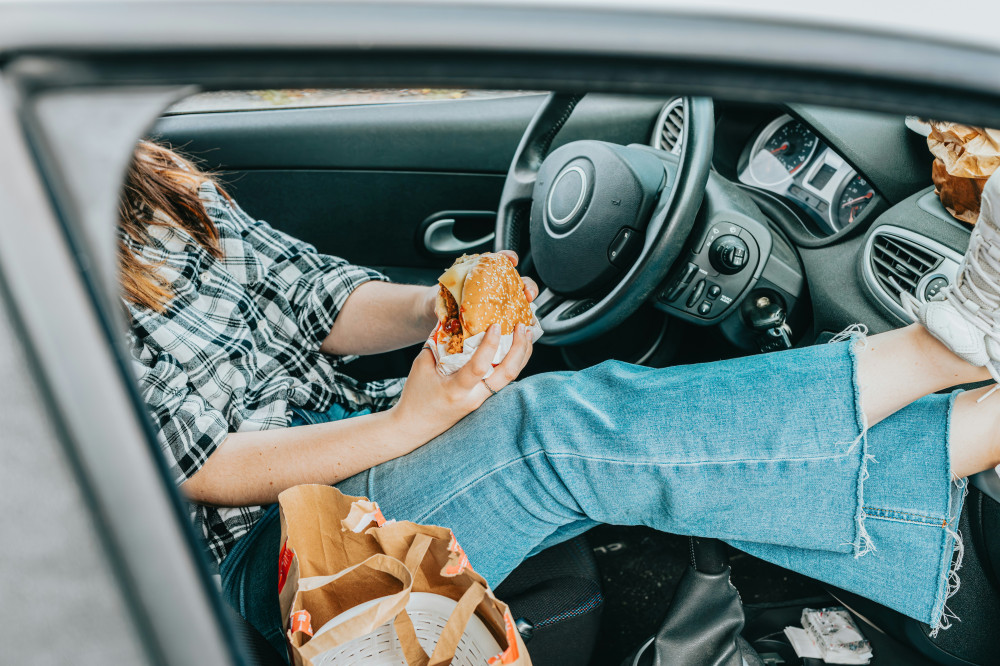
More companies are testing packaging with real customers to find the right balance between function and aesthetics. The result is smarter designs—like containers with snap-on lids that can be opened with one hand, or bowls with non-slip bottoms that stay steady in the car.
The Future of Takeout Is Flexible
The takeout industry is evolving fast, and packaging is evolving with it. In the near future, we’ll likely see more flexible systems—such as reusable container programs or modular packaging that can adapt to different types of meals.
Consumers increasingly expect both convenience and responsibility. That’s why thoughtful packaging is becoming a competitive advantage. The restaurant that pairs great food with smart, sustainable packaging doesn’t just deliver a better meal—it helps build a more mindful and sustainable everyday life.
Læs også: