When the Company Lunch Should Include Everyone: How to Adapt the Menu to Different Food Cultures


When the Company Lunch Should Include Everyone: How to Adapt the Menu to Different Food Cultures
A company lunch can be much more than a shared meal—it’s a chance for colleagues to connect, exchange ideas, and build community. But as American workplaces become increasingly diverse, the traditional “one-size-fits-all” menu no longer works. How can employers create a lunch that’s both delicious and inclusive, reflecting the many food cultures, dietary needs, and personal values represented in the office? Here’s how to make sure everyone feels welcome at the table.
Know Your Team—and Their Needs
The first step toward an inclusive lunch is understanding who’s sitting at the table. A quick survey or informal conversation can reveal a lot about employees’ dietary preferences and restrictions. This isn’t just about avoiding allergens—it’s about showing respect for people’s identities and traditions.
- Religious considerations: Some employees may avoid pork, beef, or shellfish, while others may need halal or kosher options. During periods like Ramadan or Lent, flexible meal times or menu adjustments can make a big difference.
- Cultural preferences: Food is deeply tied to heritage. Including dishes inspired by different cuisines—Mexican, Indian, Mediterranean, or Southern comfort food—can make everyone feel represented.
- Health and lifestyle choices: Many people today follow vegetarian, vegan, or gluten-free diets, or simply prefer lighter, plant-forward meals. Offering variety ensures that no one feels left out.
When employees see their needs reflected in the menu, lunch becomes more than a meal—it becomes a gesture of inclusion.
Offer Variety and Choice
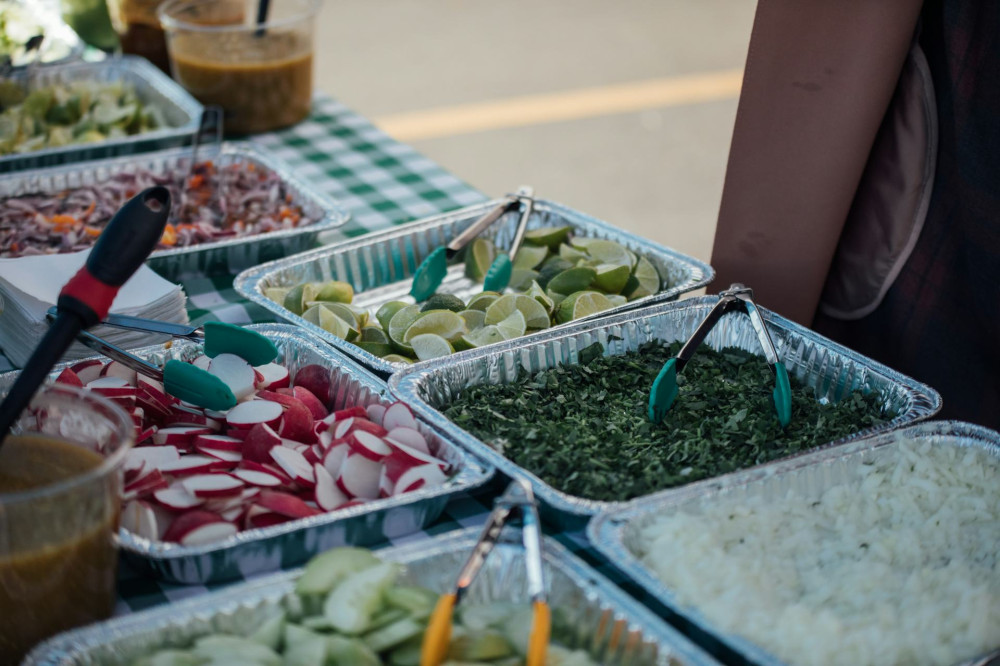
An inclusive lunch doesn’t have to be complicated or expensive. The key is flexibility. Think in terms of “build-your-own” options that allow everyone to customize their plate.
- Base dishes: Offer simple staples like rice, grains, roasted vegetables, or salads that can pair with many flavors.
- Protein options: Include both animal and plant-based proteins—chicken, fish, tofu, beans, or lentils.
- Flavor profiles: Rotate cuisines throughout the month—perhaps a Tex-Mex day, a Mediterranean spread, or an Asian-inspired bowl bar. This keeps things interesting and broadens everyone’s palate.
- Clear labeling: Mark dishes as vegetarian, vegan, halal, kosher, or gluten-free. Transparency helps employees make confident choices and prevents awkward guesswork.
Variety isn’t just about accommodation—it’s about creating a lunch experience that feels dynamic and engaging.
Build Inclusion Through Food Experiences
Food can be a powerful connector. Company lunches are a great opportunity to celebrate diversity and encourage cultural exchange.
- Cultural lunch days: Invite employees to suggest or share dishes from their own backgrounds. It’s a fun way to learn about each other’s traditions and stories.
- Interactive events: Host occasional cooking demos or potluck-style lunches where teams prepare or present dishes together.
- Storytelling through food: Add small menu cards that describe the origin of a dish or its cultural significance. It sparks conversation and appreciation.
When food becomes a shared experience rather than just a routine, it strengthens workplace relationships and fosters mutual respect.
Partner with the Right Caterer or Kitchen Team
If your company uses a catering service, choose one that understands diverse dietary needs. Many U.S. caterers now specialize in inclusive menus and can help design meals that balance flavor, nutrition, and cultural sensitivity.
Keep an open line of communication with your caterer or kitchen staff. Regular feedback from employees can guide menu adjustments and inspire creative new offerings. A responsive food partner can help ensure that inclusion stays at the heart of every meal.
Læs også:


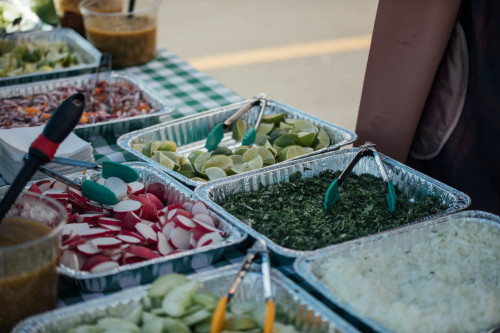
A Lunch That Brings People Together
An inclusive company lunch is about more than avoiding exclusion—it’s about actively creating a sense of belonging. When employees see their cultures and preferences reflected in the food, it sends a powerful message: everyone matters here.
It may take a bit of extra planning, but the payoff is worth it. A thoughtful, inclusive lunch program nourishes not only the body but also the workplace culture—turning every meal into a moment of connection, respect, and shared enjoyment.
Læs også: