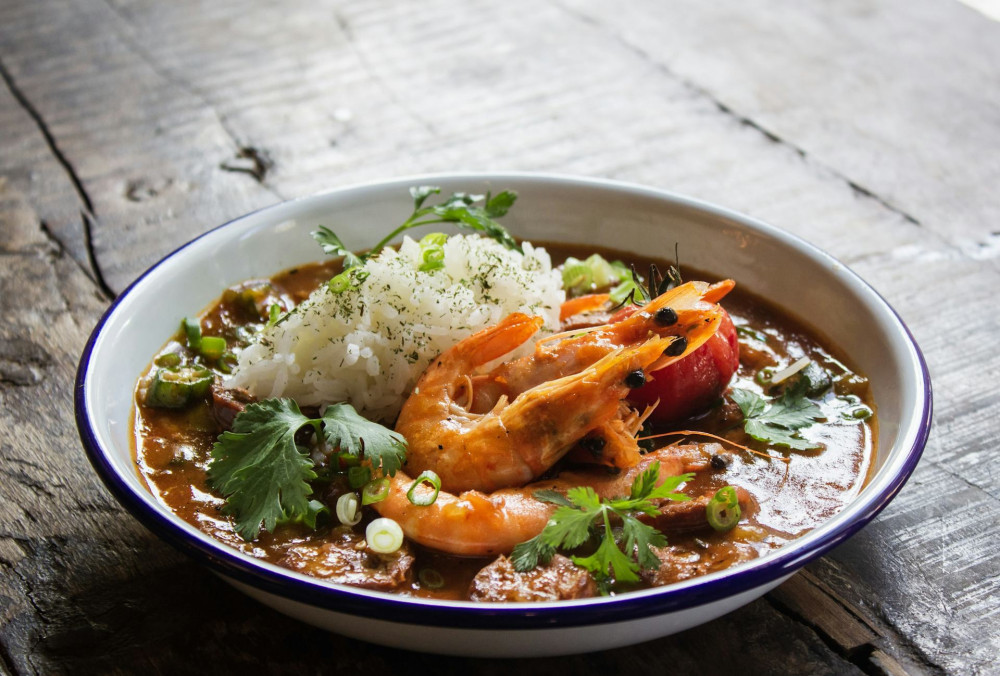
Prep vegetables, grains, and proteins ahead of time – save time during the week

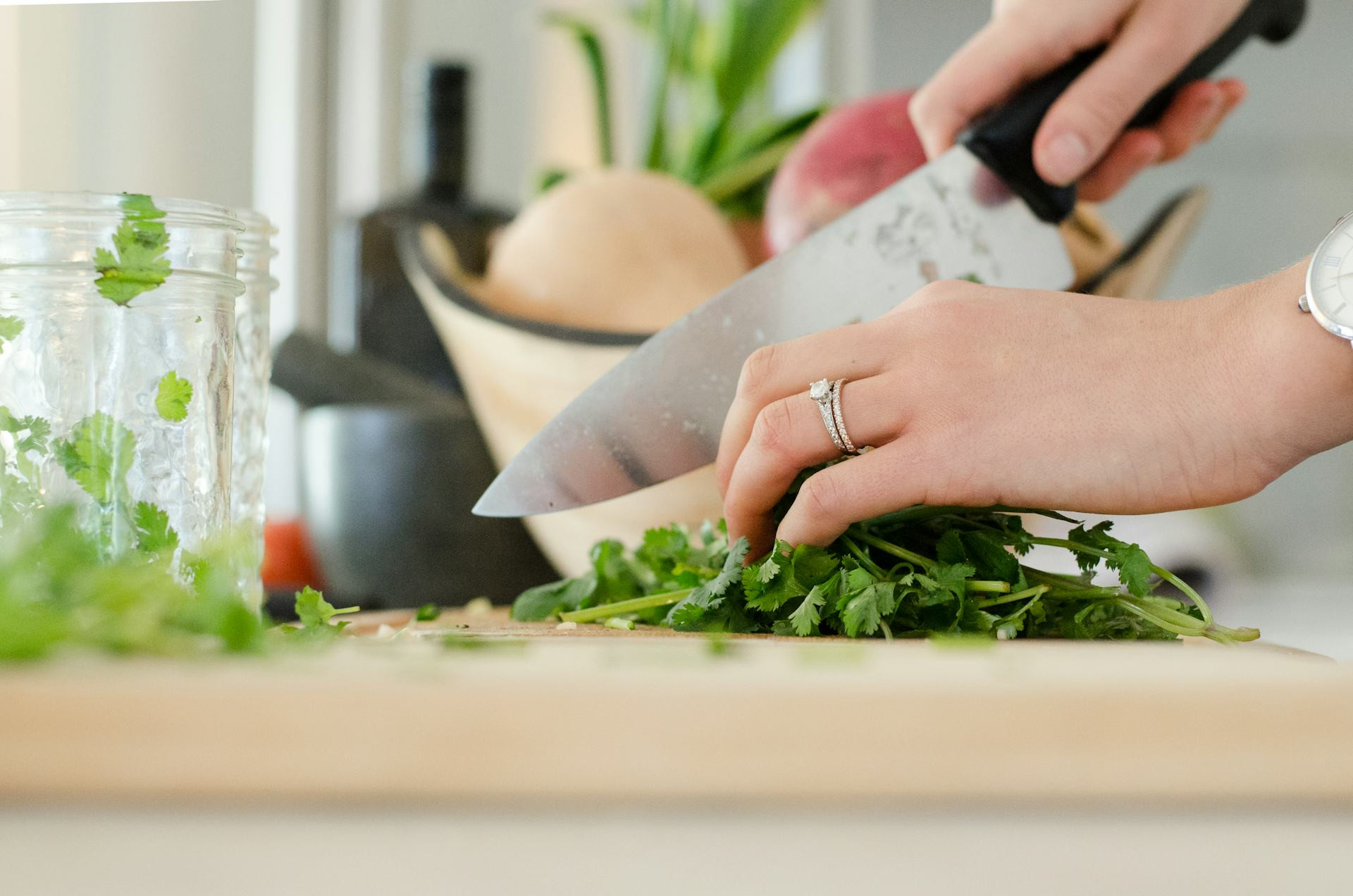
Prep vegetables, grains, and proteins ahead of time – save time during the week
Busy weekdays can make it hard to find the time and energy to cook healthy, balanced meals. But with a little planning, you can make weeknight cooking easier and more enjoyable. By prepping vegetables, grains, and proteins ahead of time, you’ll set yourself up for quick, nourishing meals without the stress. Here’s how to get started with meal prep in a practical, realistic way.
Why prep your food in advance?
Spending just a couple of hours once or twice a week on meal prep can save you countless small decisions during busy days. You’ll avoid the 6 p.m. “what’s for dinner?” panic and be less tempted to grab takeout or convenience foods.
Meal prep can also help you:
- Eat more variety, since you’ll have multiple components ready to mix and match.
- Reduce food waste, by using ingredients before they spoil.
- Save money, because you can plan your grocery shopping and use leftovers efficiently.
- Enjoy calmer evenings, when cooking becomes a routine instead of a daily scramble.
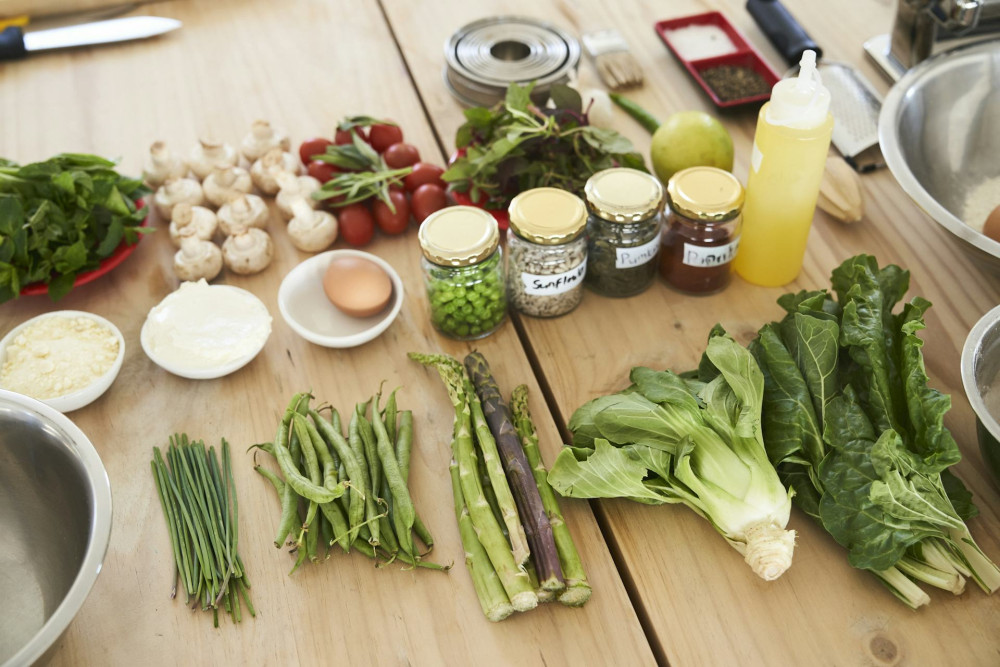
Vegetables – chop, roast, and store
Vegetables often take the most time to prepare, but they also hold up well once prepped.
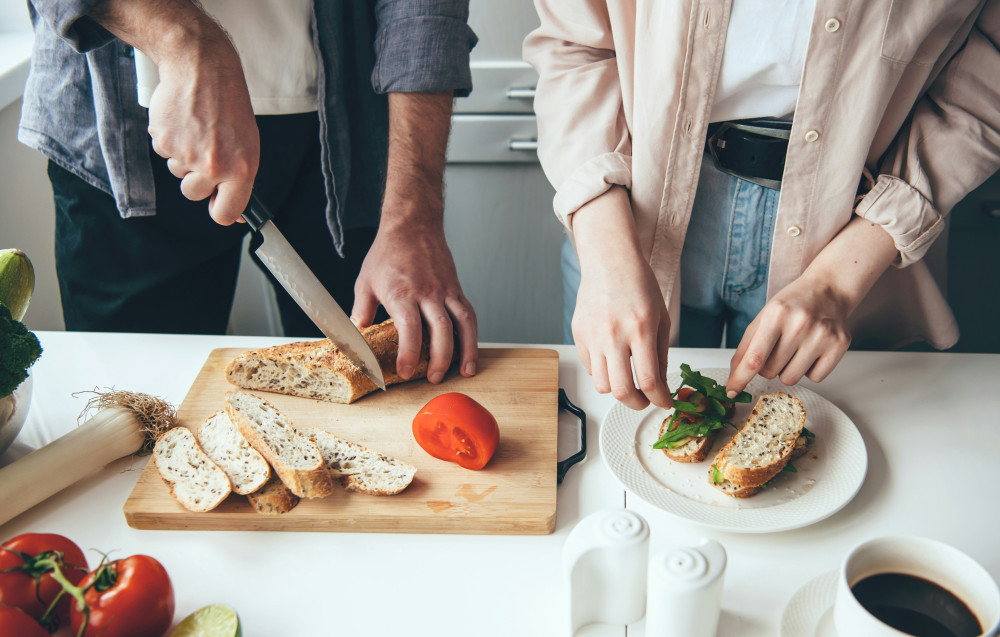
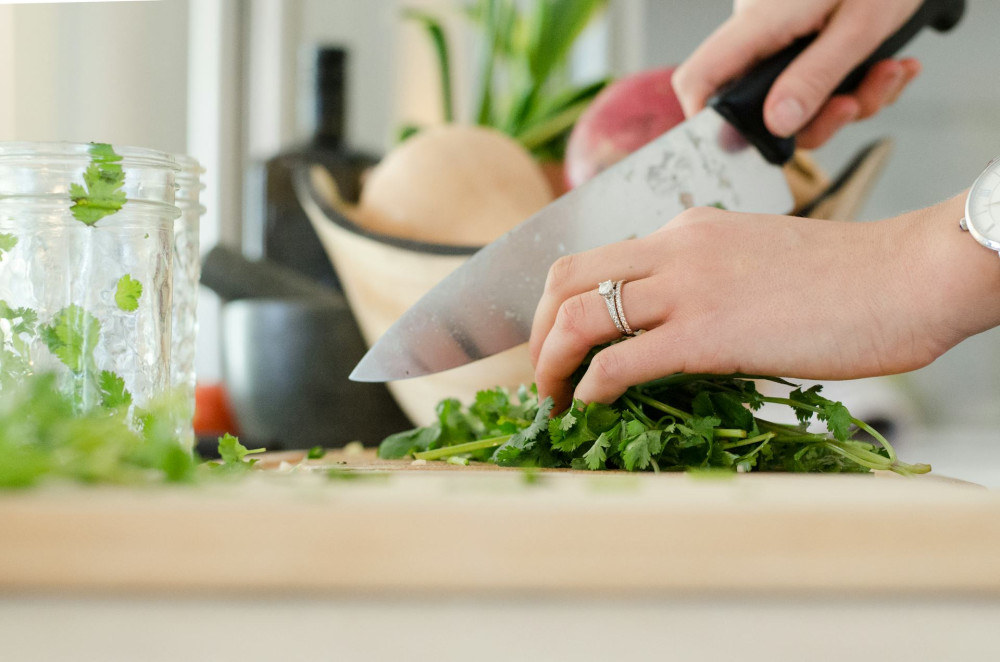
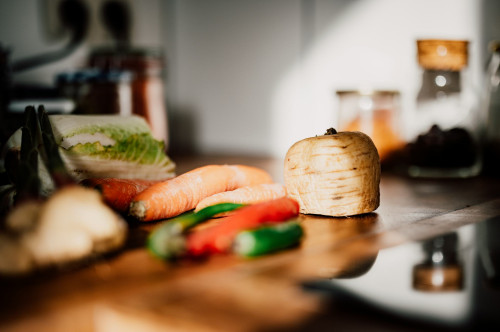
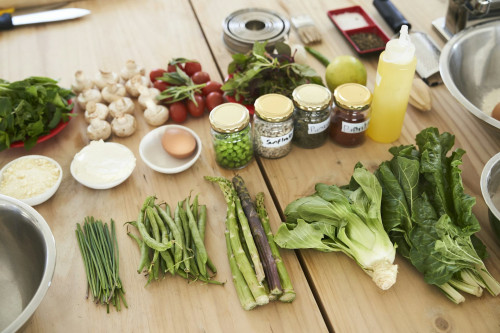
- Wash and chop veggies like carrots, bell peppers, broccoli, and cauliflower. Store them in airtight containers in the fridge so they’re ready for stir-fries, salads, or snacks.
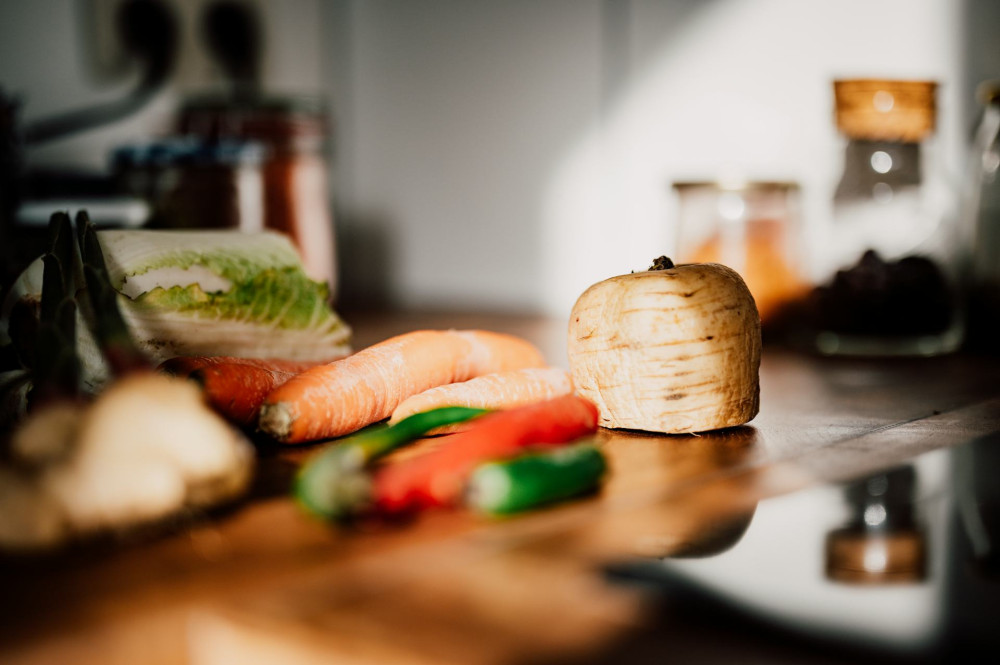
- Roast a big batch of root vegetables—such as potatoes, sweet potatoes, and beets—with a little olive oil, salt, and seasoning. They make great sides, salad toppings, or wrap fillings.
- Make a veggie base with onions, garlic, and carrots that you can use in soups, sauces, or stews. Keep it in the fridge for a few days or freeze in portions.
Clear containers are a great choice—they let you see what’s ready to use at a glance.
Grains and legumes – cook in bulk
Grains and legumes are perfect for prepping ahead because they store well and can be used in many ways.
- Cook rice, quinoa, farro, or barley in larger batches. Store in the fridge for up to four days or freeze in portions.
- Prepare lentils, chickpeas, or beans if you prefer not to use canned. They’re great in salads, soups, or as a base for vegetarian dishes.
- Make a cold grain salad with chopped veggies and a simple vinaigrette—it can serve as lunch or a side dish for dinner.
Having grains and legumes ready means you can build a filling meal in minutes by adding veggies and a protein source.
Proteins – cook and mix it up
Proteins often take the longest to cook, but prepping them in advance makes weekday meals much faster.
- Bake or grill chicken, fish, or tofu and store in the fridge. Use them in salads, wraps, or quick stir-fries.
- Make a big batch of chili, meat sauce, or lentil stew—enjoy some now and freeze the rest for later.
- Boil eggs—they’ll keep in the fridge for up to a week and make great snacks or salad toppers.
- Try plant-based options, like chickpea patties or black bean burgers, for easy lunches or dinners.
Vary your seasonings and marinades to keep meals interesting throughout the week.
How to plan your meal prep
Good prep starts with a plan. Choose two or three days a week when you have time to cook without rushing. Make a grocery list based on the meals you want to prepare, and think in terms of flexible components that can be combined in different ways.
For example:
- Monday: Grilled chicken, roasted sweet potatoes, and quinoa.
- Tuesday: Quinoa salad with chicken and veggies.
- Wednesday: Wraps with leftover chicken and roasted vegetables.
- Thursday: Lentil chili with rice.
- Friday: Leftover night – use what’s left in creative ways.
This approach gives you variety without starting from scratch every day.
Make it easy on yourself
Meal prep doesn’t have to be perfect. The key is to make it fit your lifestyle. Start small—maybe by chopping vegetables or cooking rice for two days at a time—and build from there.
Use containers in different sizes, label them with dates, and keep your fridge organized so you can quickly find what you need. The easier it is to see and grab your prepped food, the more likely you are to stick with the routine.
Læs også:
An investment in calm and balance
Prepping vegetables, grains, and proteins ahead of time isn’t just about saving time—it’s about creating structure and peace in your week. When you know your meals are ready, it’s easier to eat well, avoid stress, and actually enjoy your food.
With a bit of planning, you can turn cooking from a daily challenge into a simple, satisfying routine—and free up more time for everything else that matters.
Læs også: