Green Wine Production – Sustainability in Every Drop

Green Wine Production – Sustainability in Every Drop
Wine is no longer just about taste and tradition – it’s increasingly about responsibility. As climate change and environmental impact take center stage in global conversations, winemakers around the world are embracing sustainability as a core part of their craft. From vineyard to bottle, every step is being reimagined to protect the planet, resulting in wines that not only taste good but also do good.
From Soil to Grape – Nurturing Nature’s Balance
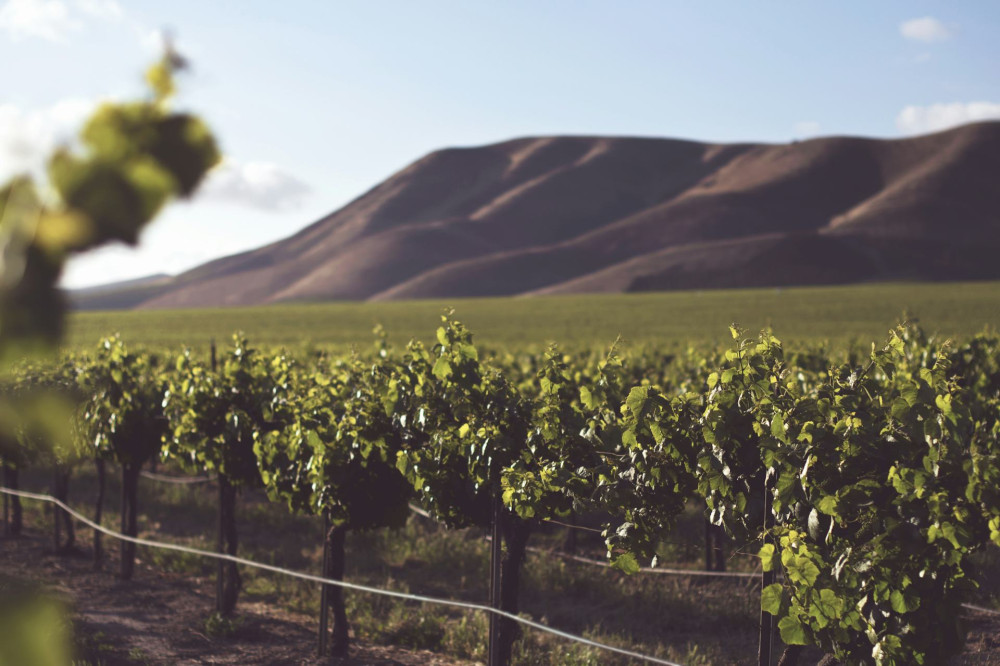
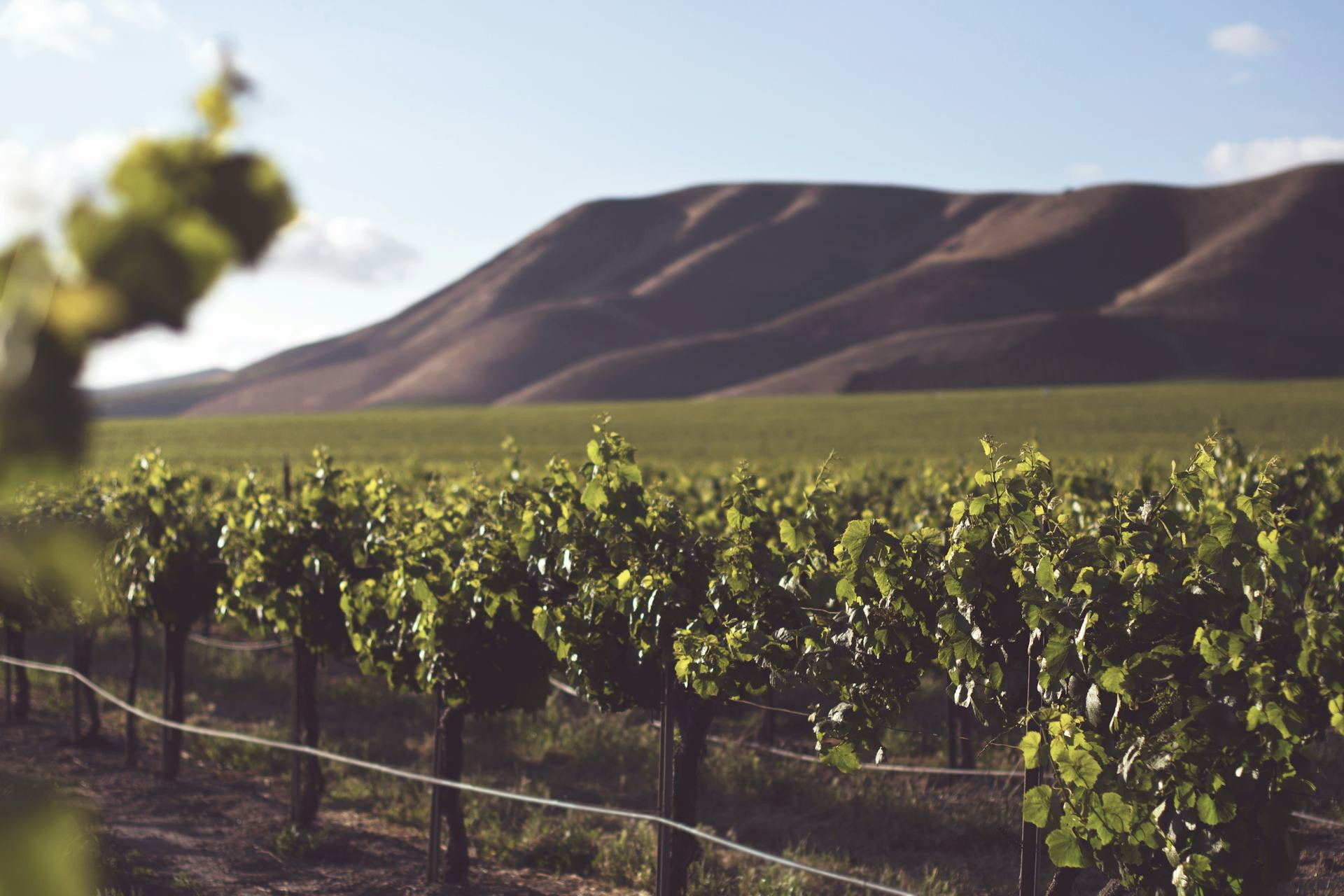
Sustainable wine production begins in the vineyard. The goal is to create an ecosystem where soil, plants, and wildlife thrive together. Many wineries have transitioned to organic or biodynamic farming, replacing synthetic pesticides and fertilizers with natural alternatives.
Cover crops between the vines help retain moisture, improve soil health, and attract beneficial insects. This approach reduces erosion and the need for irrigation. In some regions, sheep or goats graze between the rows, keeping weeds in check while lowering the carbon footprint of machinery.
Energy and Water – Reducing the Footprint
Winemaking requires both energy and water, but innovation is driving major improvements. Solar panels now power pumps, cooling systems, and bottling lines at many wineries across California, Oregon, and Washington. Some producers even capture heat from fermentation to warm buildings or water, turning waste into a resource.
Water use is another key focus. Modern irrigation systems equipped with sensors and drip technology ensure vines receive only the water they need. Many wineries also recycle and purify wastewater from production, ensuring that every drop counts.
Packaging and Transport – The Hidden Climate Cost
While wine’s story begins in the vineyard, its environmental impact continues all the way to the consumer. Glass bottles are heavy and energy-intensive to produce, so many winemakers are experimenting with lightweight bottles, recycled glass, or alternative materials such as aluminum and recycled plastic.
Transportation is another major factor. Some U.S. producers are shifting to rail or sea freight instead of trucks, and others are bottling closer to their markets to cut emissions. Even labels are going green, printed on recycled paper with plant-based inks.
Social Sustainability – The People Behind the Wine
Sustainability isn’t just about the environment – it’s also about people. Many wineries are committed to fair wages, safe working conditions, and community engagement. This ensures that the people who grow and craft the wine are treated with respect and that local communities benefit from the industry’s success.
Across the U.S., wineries are investing in education, training, and social initiatives that extend beyond the vineyard. From supporting local schools to promoting diversity and inclusion in the wine industry, these efforts strengthen the social fabric that sustains winemaking.
The Consumer’s Role
As a wine lover, you play a vital part in this movement. By choosing wines certified as organic, biodynamic, or Fair Trade, you support producers who prioritize both environmental and social responsibility. Many wine shops and restaurants now highlight sustainable options, making it easier than ever to make a conscious choice.
And the best part? Sustainable wines don’t compromise on quality. In fact, many enthusiasts find that a more natural approach produces wines with greater depth, authenticity, and a true sense of place.
Læs også:
The Future of Wine Is Green
The wine world is undergoing a transformation where sustainability is no longer a niche concept but a necessity. From small family vineyards to large-scale producers, the industry is working to reduce its carbon footprint and preserve natural resources for generations to come.
So the next time you pour a glass, you can savor it with a clear conscience – knowing that green wine production is about more than wine. It’s about respect for the earth, for craftsmanship, and for the future.
Læs også: