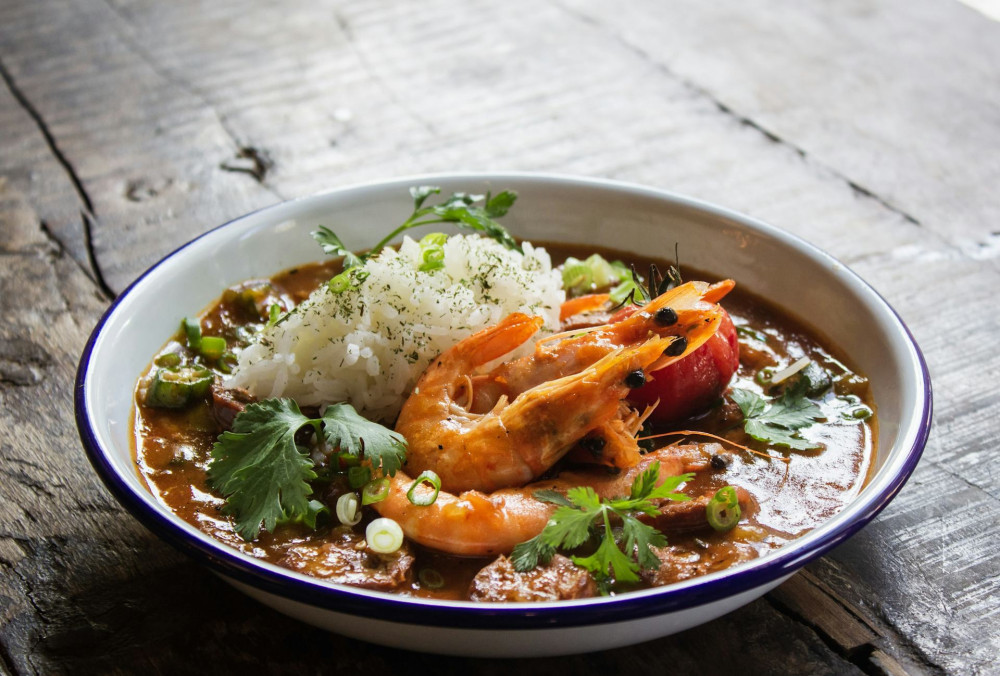
Gourmet Cuisine Demands Precision – The Art of Mastering Perfect Preparation

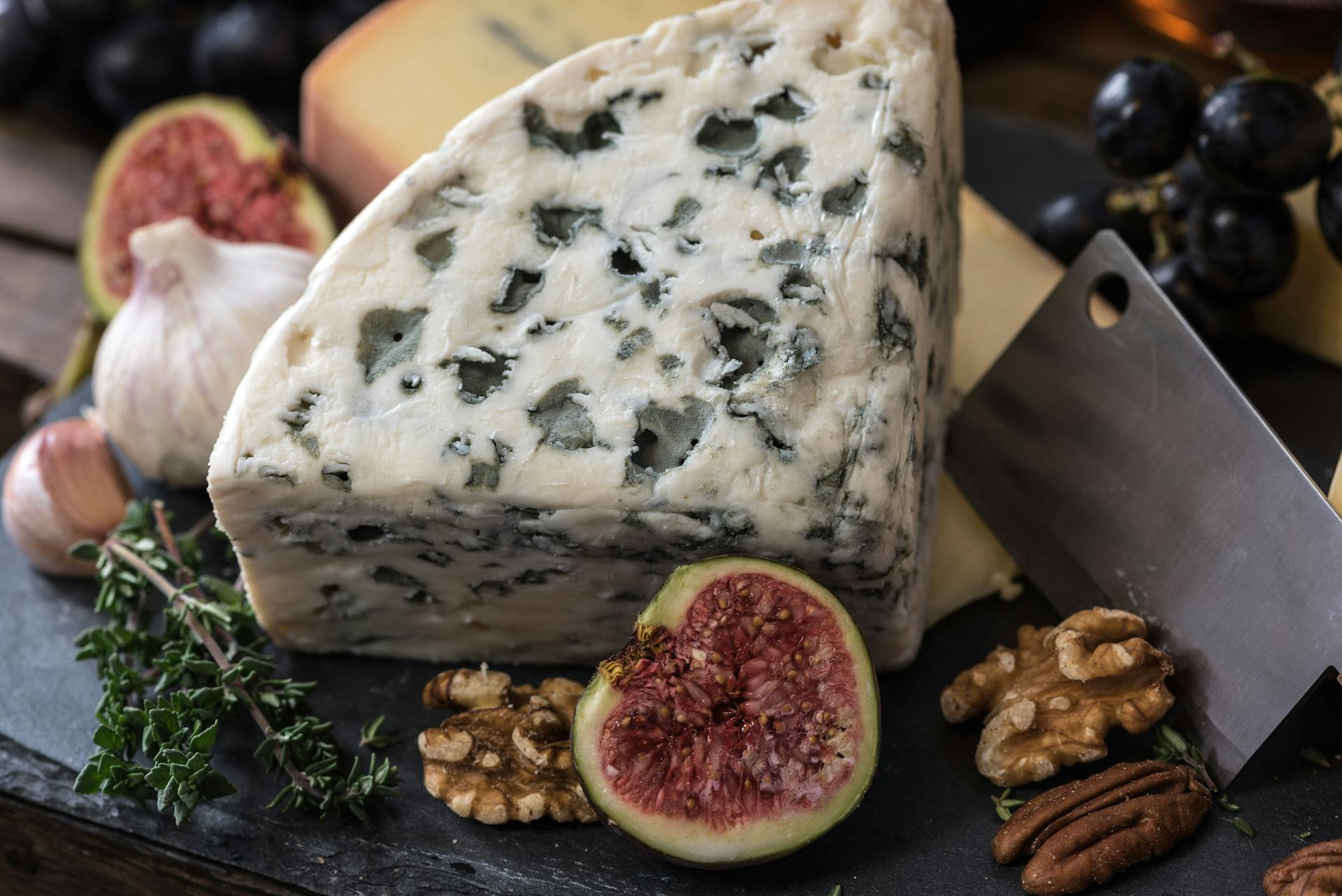
Gourmet Cuisine Demands Precision – The Art of Mastering Perfect Preparation
Gourmet cuisine isn’t just about luxury ingredients or elegant plating – it’s about precision. The smallest detail can make the difference between a good dish and an unforgettable one. From the temperature of the pan to the timing of the sauce, mastering perfect preparation requires knowledge, patience, and respect for the craft. Here’s a look at how precision becomes an art form in the modern American kitchen.
Flavor Begins with the Ingredient
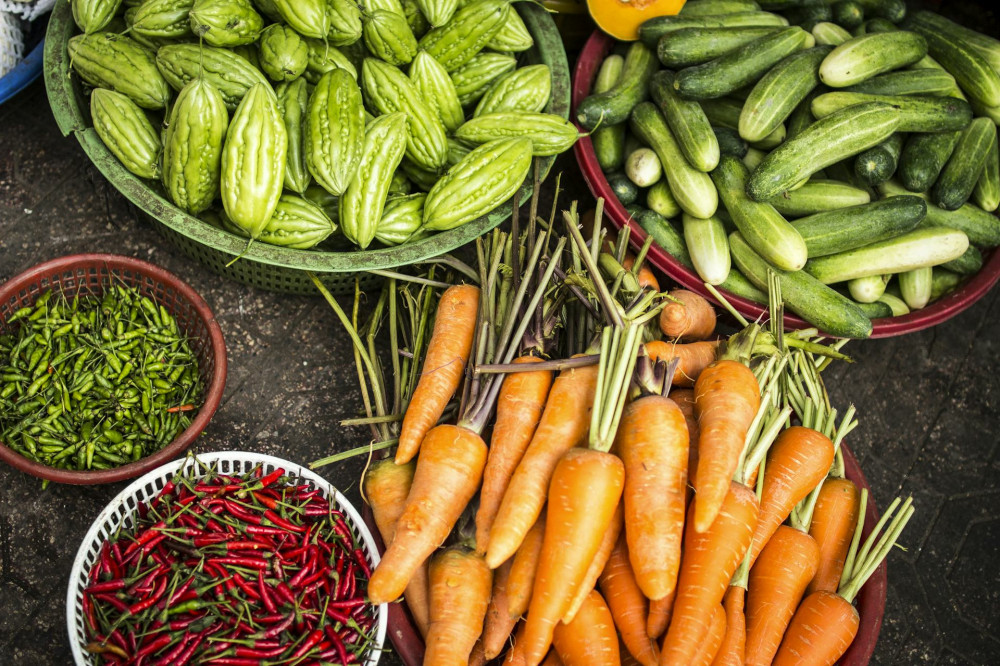
Every chef knows that the quality of the ingredients sets the foundation for what’s possible. Fresh, seasonal produce and responsibly sourced meats and seafood carry natural balance and depth. But even the finest ingredients can lose their potential if they’re not handled correctly.
Precision starts with understanding the ingredient itself: how a piece of salmon reacts to heat, how asparagus keeps its snap, or how a steak’s texture changes with temperature. This awareness is the cornerstone of culinary mastery.
Temperature – The Invisible Factor
Temperature control is one of the most critical yet often overlooked aspects of cooking. A steak seared at too high a heat can lose its juices and turn tough, while a sauce simmered too long can lose its subtlety.
Professional chefs rely on precise temperature management – using thermometers, sous vide techniques, or induction cooktops that allow degree-by-degree control. It’s not about technology for its own sake, but about consistency. When you know your temperatures, you can replicate success and eliminate guesswork.
Læs også:


Timing and Rhythm in the Kitchen
Gourmet cooking is all about timing – the art of bringing every element together at the perfect moment: crisp vegetables, warm sauce, perfectly cooked protein. In a professional kitchen, it’s like a symphony, where each cook plays their part in perfect rhythm.
For the home chef, timing begins with preparation. Read the recipe carefully, prep your ingredients, and plan the sequence. Once you start cooking, your focus should be on execution, not on searching for the right pan.
Taste as Science and Intuition
Seasoning is both a science and an art. Salt, acid, sweetness, and bitterness must be balanced so that no single element dominates. Many chefs make micro-adjustments – a drop of lemon juice, a pinch of salt, a touch of butter – to achieve that perfect harmony.
But taste also relies on intuition. The more you cook and taste, the better you understand how flavors interact. Precision in flavor doesn’t come only from measuring spoons, but from experience and curiosity.
Presentation – The Final Layer of Precision
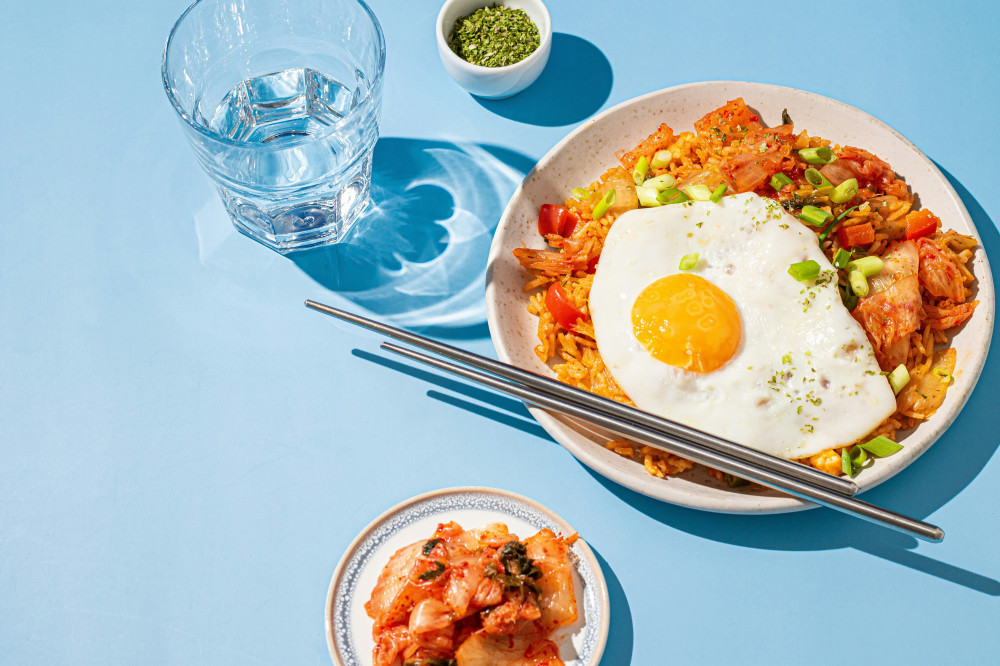
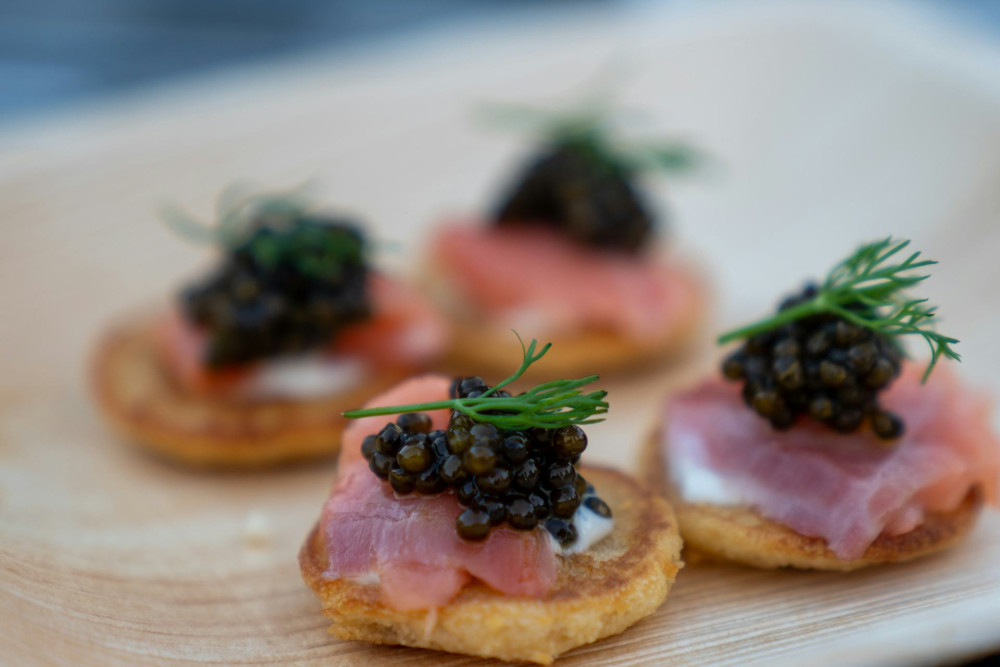
Once the dish is cooked, visual precision takes over. Presentation should highlight the flavor, not overshadow it. Colors, textures, and shapes should work together to make the dish inviting.
A sprinkle of herbs, a drizzle of oil, or the careful placement of vegetables can elevate the entire experience. This is where craftsmanship meets aesthetics – where precision turns into poetry.
Mistakes as Lessons
Even the best chefs make mistakes. A sauce can break, a piece of fish can overcook. But in gourmet cooking, mistakes aren’t failures – they’re lessons. Each adjustment, each tasting, each retry deepens your understanding of how precision works in practice.
Mastering perfect preparation isn’t about being flawless; it’s about being attentive. It’s the ability to see, hear, and taste when something is exactly as it should be.
Precision as Passion
For many chefs, precision isn’t a burden – it’s a passion. It’s the joy of refining, repeating, and perfecting. When everything comes together – flavor, texture, and presentation – it creates that rare moment of pure culinary satisfaction.
Gourmet cuisine demands precision, but the reward is immense: an experience that engages all the senses and reminds us that cooking, at its highest level, is truly an art.
Læs også: