Balance in Everyday Life: How to Make Your Eating Habits Fit Shared Meals

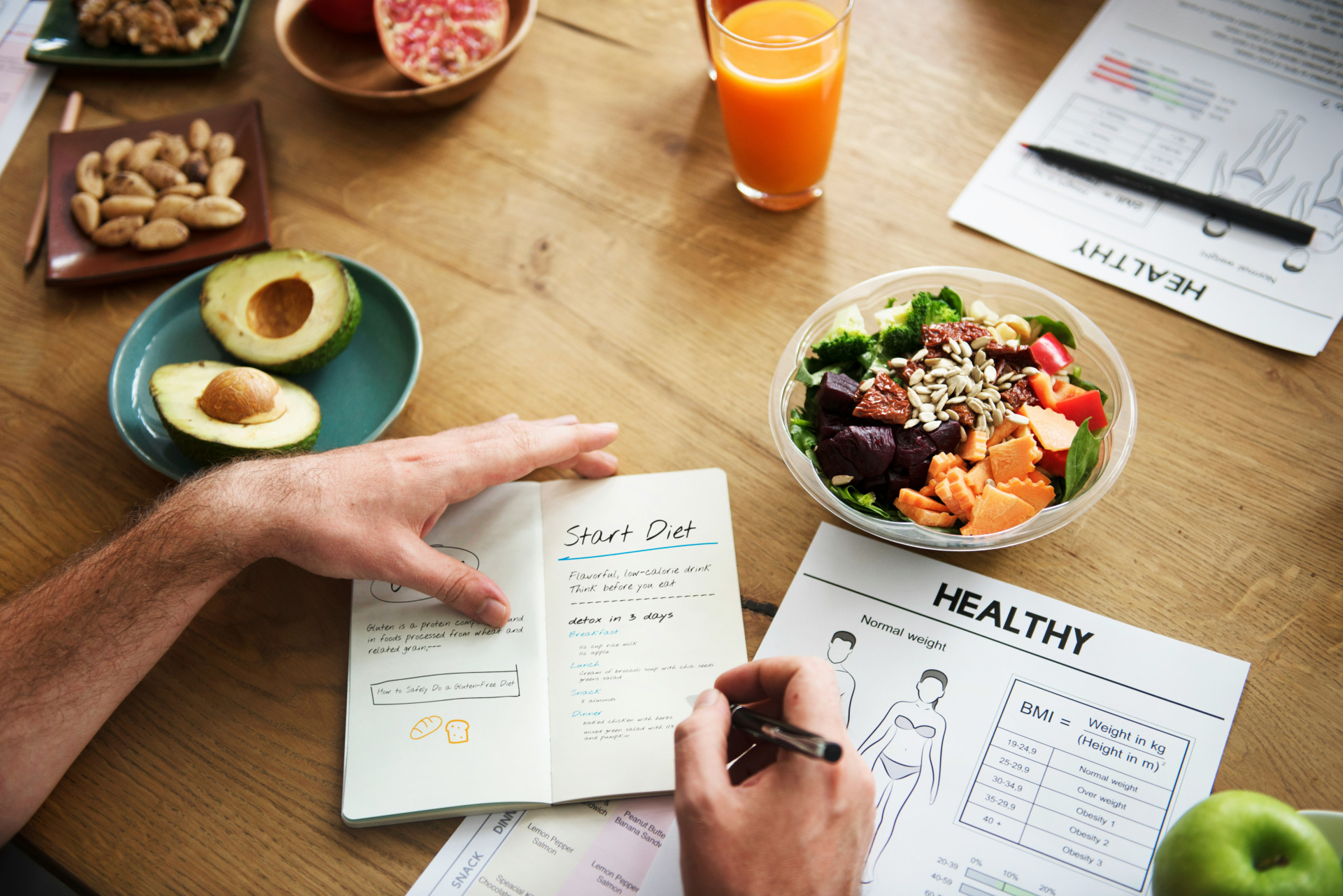
Balance in Everyday Life: How to Make Your Eating Habits Fit Shared Meals
Sharing a meal is one of the simplest yet most meaningful ways to connect with others. Whether it’s a family dinner, a weekend brunch with friends, or a holiday gathering, food brings people together. But what happens when your personal eating habits—maybe you’re vegetarian, following a specific diet, or trying to cut back on sugar or meat—don’t quite match what everyone else is eating? Finding balance between your own choices and shared traditions can be tricky. Here’s how to make your eating habits fit naturally into shared meals without losing sight of what matters to you.
Start with Conversation and Planning
The first step is open communication. Many food-related tensions come from misunderstandings or unspoken expectations. Explain what motivates your choices—whether it’s health, sustainability, ethics, or simply feeling better—and listen to others’ perspectives as well.
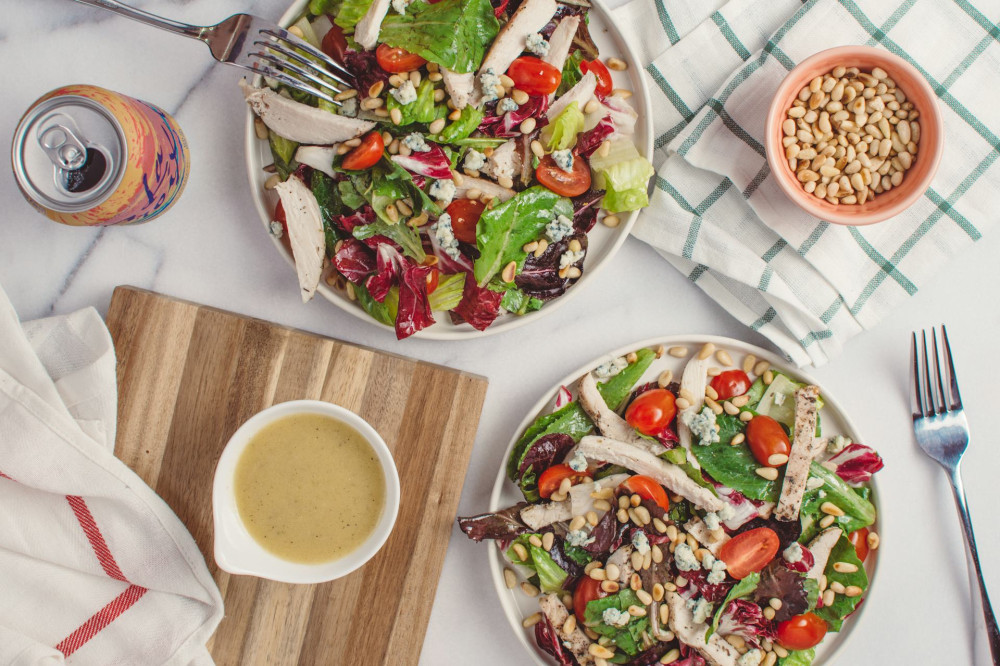
When planning meals, think in terms of flexibility. Dishes like tacos, grain bowls, or pasta can easily be customized so everyone gets what they want. A shared base with optional toppings or sides allows everyone to eat together while still honoring individual preferences.
Make Cooking Together Part of the Fun
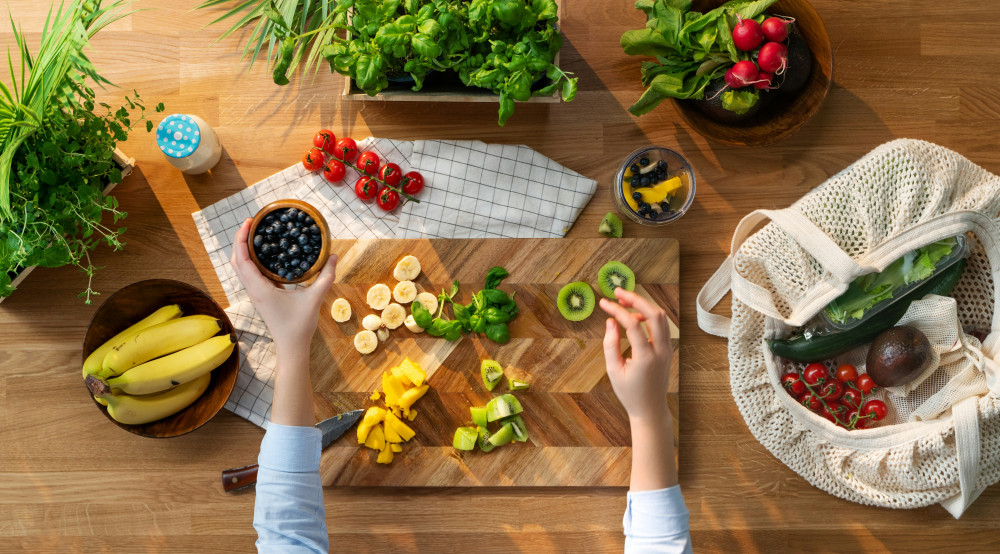
Cooking doesn’t have to be a solo task—it can be a shared experience. Invite family or friends into the kitchen and let everyone contribute. This not only makes the process more enjoyable but also helps others understand your food choices.
If you eat plant-based, for example, offer to make a dish that highlights how flavorful and satisfying vegetables can be. When people taste something delicious, curiosity often replaces skepticism. At the same time, you might pick up new cooking ideas or techniques from others.
Find Compromises Without Losing Yourself
Balance doesn’t mean giving up your values—it means being adaptable in practice. Maybe you can enjoy the same main dish as everyone else but swap in a different protein or sauce. Or you can take a smaller portion of the shared meal and add something you’ve prepared yourself.
The key is to avoid an “us versus them” feeling at the table. Food should bring people together, not divide them. When you show respect for others’ choices, they’re more likely to respect yours in return.
Create New Traditions Together
Shared meals aren’t just about what’s on the plate—they’re about the experience around the table. Instead of clinging to old routines, try building new traditions that work for everyone. You could start a weekly “Meatless Monday,” a “build-your-own” night with tacos or pizzas, or a potluck where everyone brings a dish that reflects their personal style of eating.
When meals become a shared project, the focus shifts from differences to connection—and that’s where the real joy of eating together lies.
Læs også:
Remember That Balance Includes Flexibility
Even the most mindful eating habits benefit from a little flexibility. It’s okay to make exceptions for special occasions—holidays, birthdays, or spontaneous dinners out. That doesn’t mean you’re abandoning your principles; it means you’re choosing connection and enjoyment in the moment.
At the same time, it’s important to stand by your choices when they truly matter to you. Balance is about navigating between self-care and social connection—without guilt or pressure.
Shared Meals as Part of a Healthy Life
When you find a way to align your eating habits with shared meals, food becomes a source of well-being rather than stress. You can eat in a way that feels right for you while still nurturing the relationships that make life meaningful.
In the end, it’s not about eating perfectly—it’s about eating with intention, kindness, and a sense of togetherness.
Læs også: